Lessons, explainers and course series for customers, patients, healthcare professionals and students, reviewed by your experts and ready for every platform and language.
A good educational film does what a page of text cannot: it shows the hands doing the task, the product working, the concept in motion. As an educational video production company, we make video lessons, explainer series and course content that people finish, remember and use. For Pearson alone, we have produced more than 900 animated lessons for Imaginarium and approximately 200 filmed videos for the Wizard W-series.
Where educational films do the most work
The sectors and goals where we produce this format most.
Educational video production starts with one question: who is on the other side of the screen, and what do they already know? The answer changes the pace, the vocabulary and who should be on camera.
Customers
Product academies and onboarding
Teach customers to use what they bought, so they succeed faster and call support less.
Patients and HCPs
Health education that passes review
Clear films for patients and professionals, checked by medical and regulatory teams. Pharma and healthcare.
Send us the course outline, even if it is a spreadsheet. We come back with a series plan: how many films, which format for each lesson, what can be shot together and what it will take to produce.
Most educational videos fail for the same reason: they try to say everything. Ours are built backwards from what the viewer has to be able to do when the film ends.
01.
Learning objective first
One clear outcome per film, agreed with your team before a single line is written.
02.
Scripts reviewed by experts
Your subject experts approve every script, and for health content your medical, legal and regulatory reviewers too.
03.
The right teacher on screen
Presenters, actors, your own specialists or animation, chosen lesson by lesson for what the content needs.
04.
Short chapters, one idea each
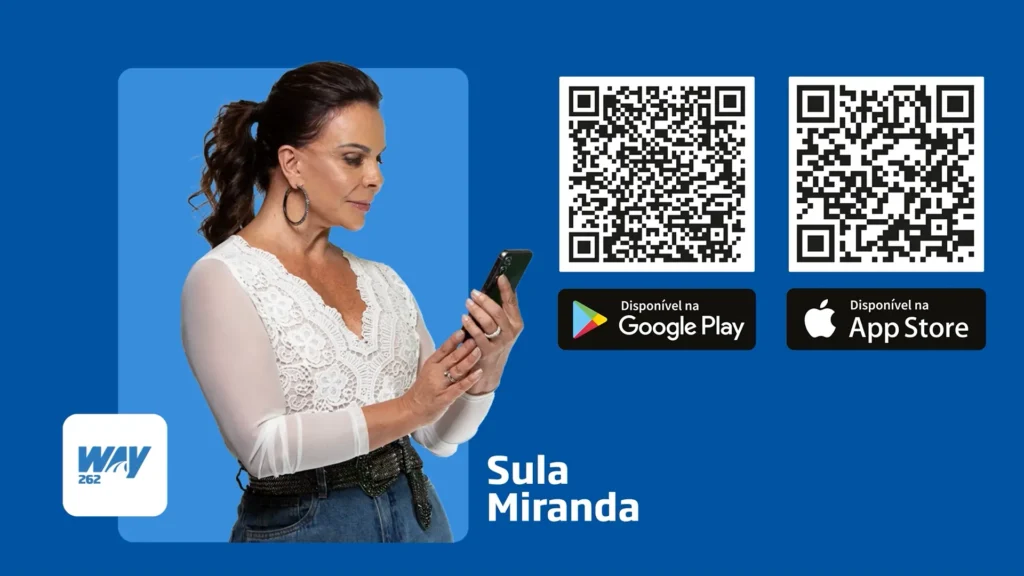
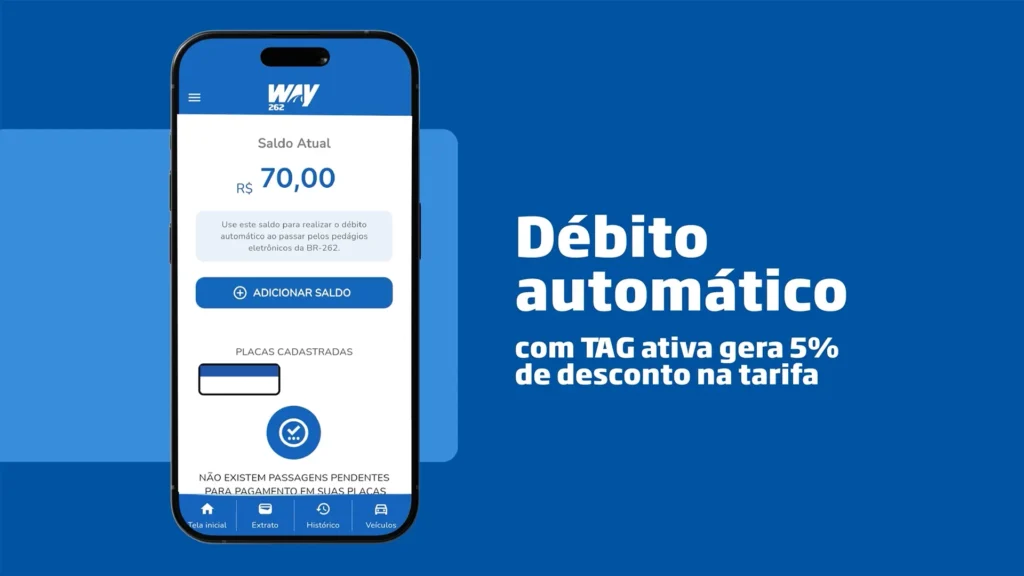
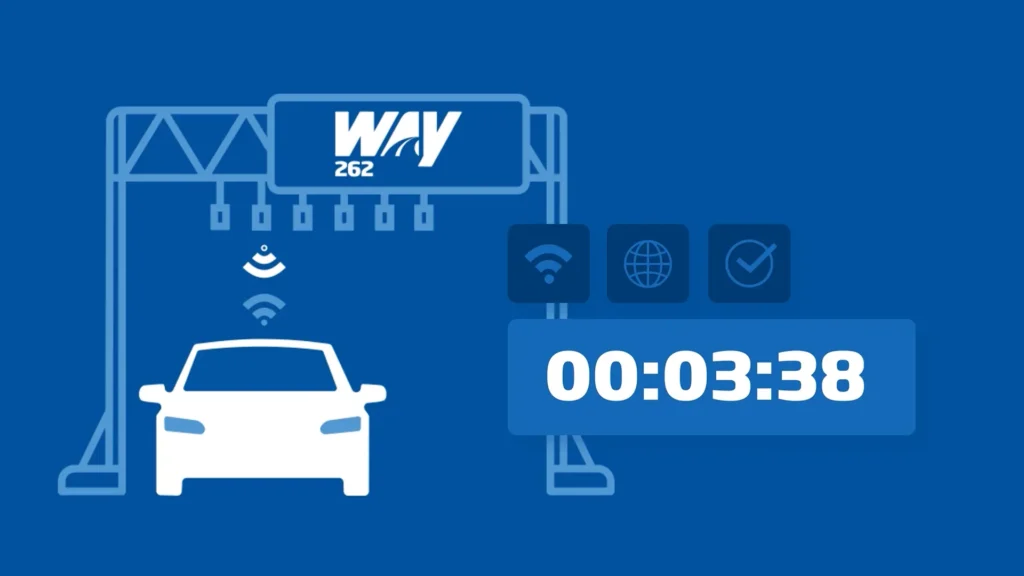
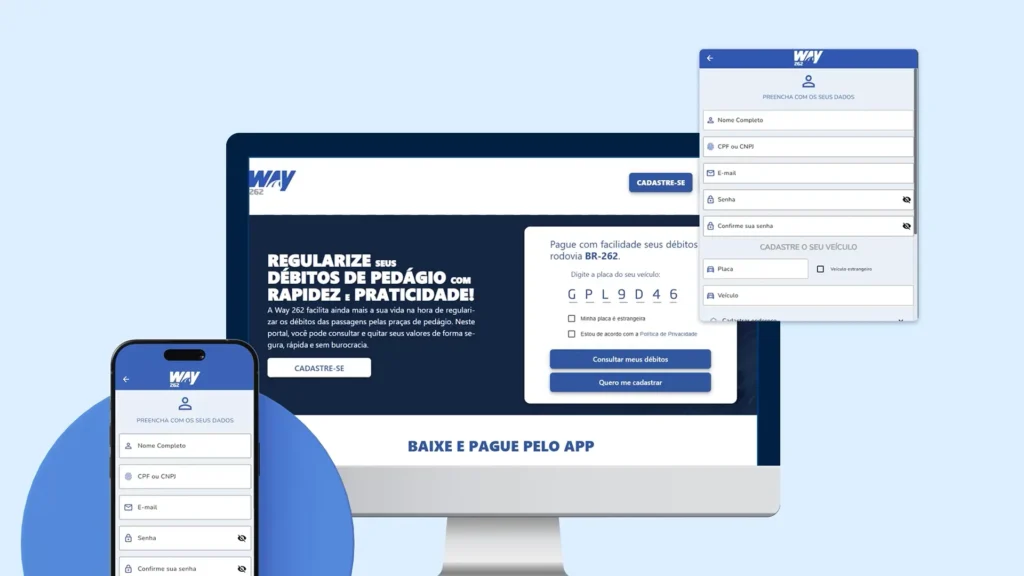
Series structured in chapters people can watch on a break, find again later and finish. For Way-262, we explained a new barrier-free toll system in five videos of about a minute each, one driver question per video.
05.
Ready for every platform
Files for your learning platform, website, app and video channels, with subtitles and localized versions for each market.
“They were super attentive and delivered incredible results, both in animation and in filming with actors.”
Vanessa Spirandeo Google review, translated from Portuguese
Questions about educational videos
What learning, medical and product teams ask before they commission a series.
How do you make an educational video that people finish?
Start from what the viewer must be able to do after watching, not from what you want to say. Then keep each chapter to one idea, show the thing instead of describing it, and test the script with a subject expert and with someone from the audience before filming.
What is the difference between educational videos and training videos?
Educational videos teach people outside your company: customers, patients, healthcare professionals and students. Training videos teach your own employees processes, safety and compliance. For the second, see corporate training videos.
Can you produce a full series or course?
Yes. Series are where planning pays off: one production plan, recurring presenters or characters, shared sets and a visual system that keeps every lesson consistent. For Pearson’s Imaginarium, we have produced more than 900 animated lessons with human voice-over.
Should we use animation or live action?
Use live action when trust and human presence matter, and animation when you need to show what a camera cannot: inside the body, inside a machine, inside an idea. Many lessons mix both. We recommend the approach lesson by lesson in the script stage.
Can our experts review the scripts?
They should. Every script goes through your subject experts, and for health content through your medical, legal and regulatory reviewers, before anything is filmed. Changes on paper are cheap. Changes after the shoot are not.
Do you deliver in several languages?
Yes. We deliver subtitles, voice-over or re-recorded presenters for each market, and plan on-screen text so it can be localized without rebuilding the edit.