Brand Documentaries and Employee Testimonial Videos

Real employees, unscripted, cleared by legal and ready to roll out in every market.

Case study

How KPMG built its employer brand on the voices of its own people, not on a script.

A brand documentary, from research to release.

What brand documentaries are used for

Companies commission employee testimonial videos when a message has to be believed, not just heard. These are the five situations where the format earns its budget fastest, and where a scripted film usually falls short.

01.

Employer branding and recruitment

Candidates trust future colleagues more than any careers slogan. A documentary built on real employees shows the work, the team and the culture as they are, so the people who apply already know what they are choosing. The same film feeds job ads, the careers page and recruiter outreach, and portrait clips let each team show its own people.

02.

Culture and values programs

Values printed on a wall are easy to ignore. Values shown through the real decisions of real employees are not. A brand documentary turns a values program into stories people recognize, which is what makes them repeat it in their own teams. It works best when the stories come from different levels, so values read as shared rather than imposed.

03.

Strategy and transformation

A merger, a new strategy or a restructuring raises one question in every office: why. When employees who already live the change explain it in their own words, the rest of the company hears an answer instead of an announcement. Released alongside the official communication, the film gives managers something concrete to discuss with their teams.

04.

ESG and impact reporting

Sustainability claims face more scrutiny every year. Showing the people at your sites doing the work behind the numbers gives reports, investor materials and stakeholder events evidence that a written claim cannot carry on its own, from a plant that cut emissions to a community program run by volunteers.

05.

Milestones and anniversaries

A company anniversary told through a corporate timeline is forgettable. Told by the people who built the company, it becomes a film employees share with pride and that new hires watch to understand where they have arrived. Long-tenured employees and recent hires side by side show both the history and the direction.

Brand documentaries in practice

Films made with real employees at multinational companies, from the shop floor to the boardroom.

How we produce it

From research to release

A documentary cannot be scripted, but it can be planned. Five stages separate a film your employees recognize as true from a corporate video they politely ignore.

Real people.
No script.

Documentary method
for enterprise teams

  1. Research

    We study your strategy, your culture and the decisions the film should influence, with communications, HR and leadership.

  2. Pre-interviews

    Off-camera conversations find the people with real stories and the words they use naturally.

  3. Casting real employees

    Voices across roles, sites and seniority, chosen with your team and with their consent. Never actors.

  4. Interview direction

    Small crews and directors who run conversations, not readings, so answers come out in people's own words.

  5. Edit and approval

    Review rounds with communications, legal and every person on screen, each with a clear scope and deadline.


Why unscripted works

Audiences recognize a script within seconds, and employees recognize it even faster. An unscripted film keeps the pauses, the specific details and the language people really use at work. That is what makes a message credible to the people who have to act on it, and it is why the documentary method earns a trust that polished corporate messaging rarely does. The craft is in the preparation, so the spontaneity on screen is real and the message still lands where it needs to.

One shoot.
Every version you need.

A brand documentary rarely lives as a single film. We plan every deliverable before the shoot: a hero film for launch events and the careers page, short cut-downs for LinkedIn and internal channels, portrait clips of each employee for recruitment campaigns, an internal launch kit with a leadership introduction, and an event version for town halls and conferences. Planning these versions up front means every audience gets a cut made for it, instead of a long film trimmed in a hurry after launch.

Each version is delivered in the ratios your channels need, with captions and subtitles in English, Spanish and Portuguese. When the story spans several countries, the same team handles every location through multi-market video production.

Clutch Champion award, Fall 2023
Clutch Global award, Fall 2023

Who brand documentaries are for

Communications leaders use the format when a message has to survive the journey from headquarters to every office, without losing tone or meaning in translation. HR and talent teams use it to show candidates and new hires the company as it really is, which attracts people who fit and filters out those who do not. Leadership teams use it to make a strategy credible by letting the people who execute it speak first, before the official announcement does.

The format carries the most weight where trust depends on people: in healthcare video production, manufacturing video production and financial services video production. It is also the core of recruitment video production and of programs to build brand authority.

Planning a film with your own people?

Case Study:
KPMG

KPMG chose the documentary format for its employer brand: a film built on the voices of its own people, not on a corporate script. Our team handled research, pre-interviews, interview direction and the edit, and delivered a film that shows candidates what working at KPMG is really like, in the words of the people who already do.

Portfolio

More stories
told by the people
who live them.

Seated man holding a skateboard beside an indoor ramp, from a testimonial brand film for 360 Skatepark
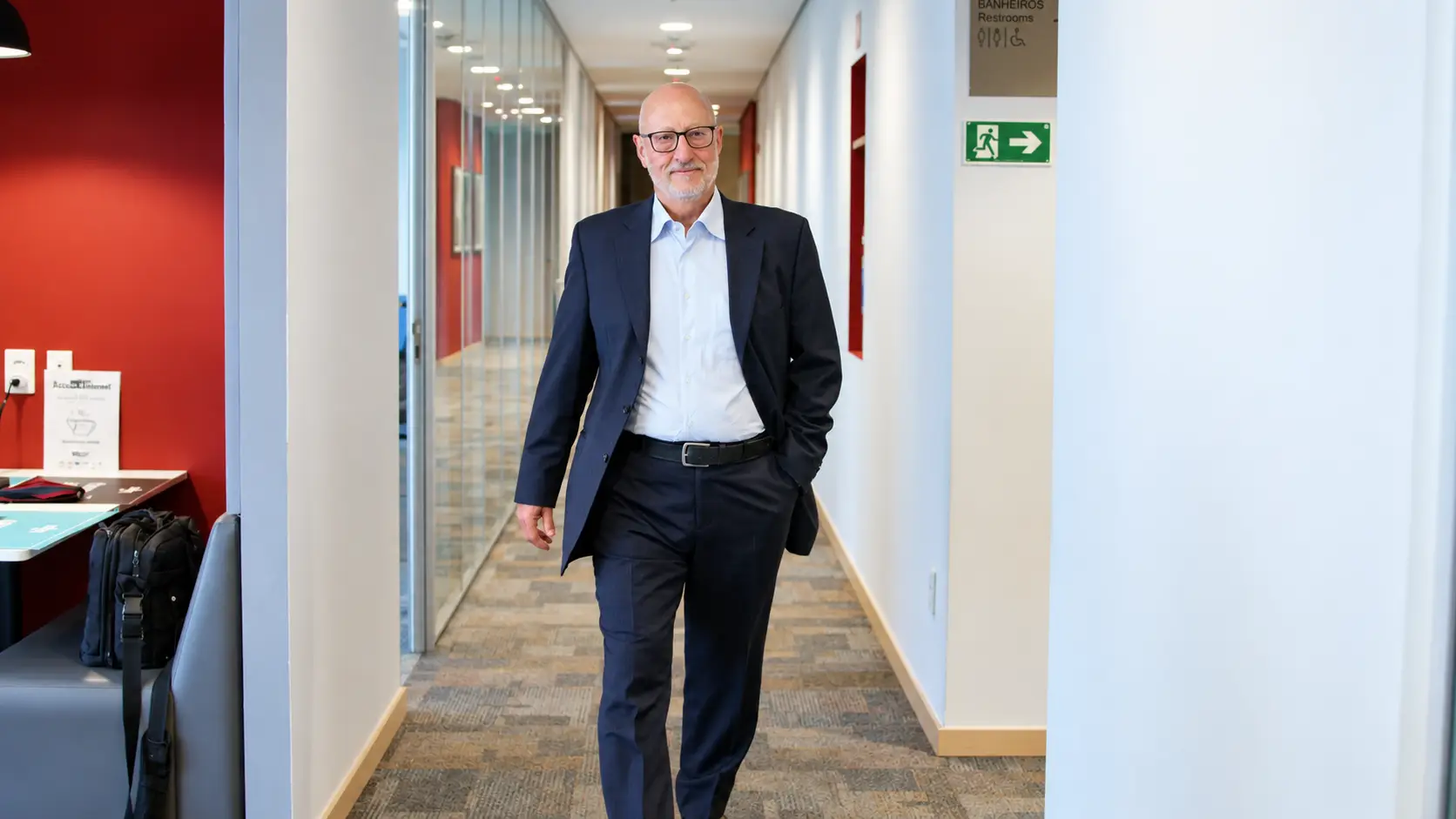
Man in a navy suit walking through a glass-walled office corridor, from a client testimonial video for Regus
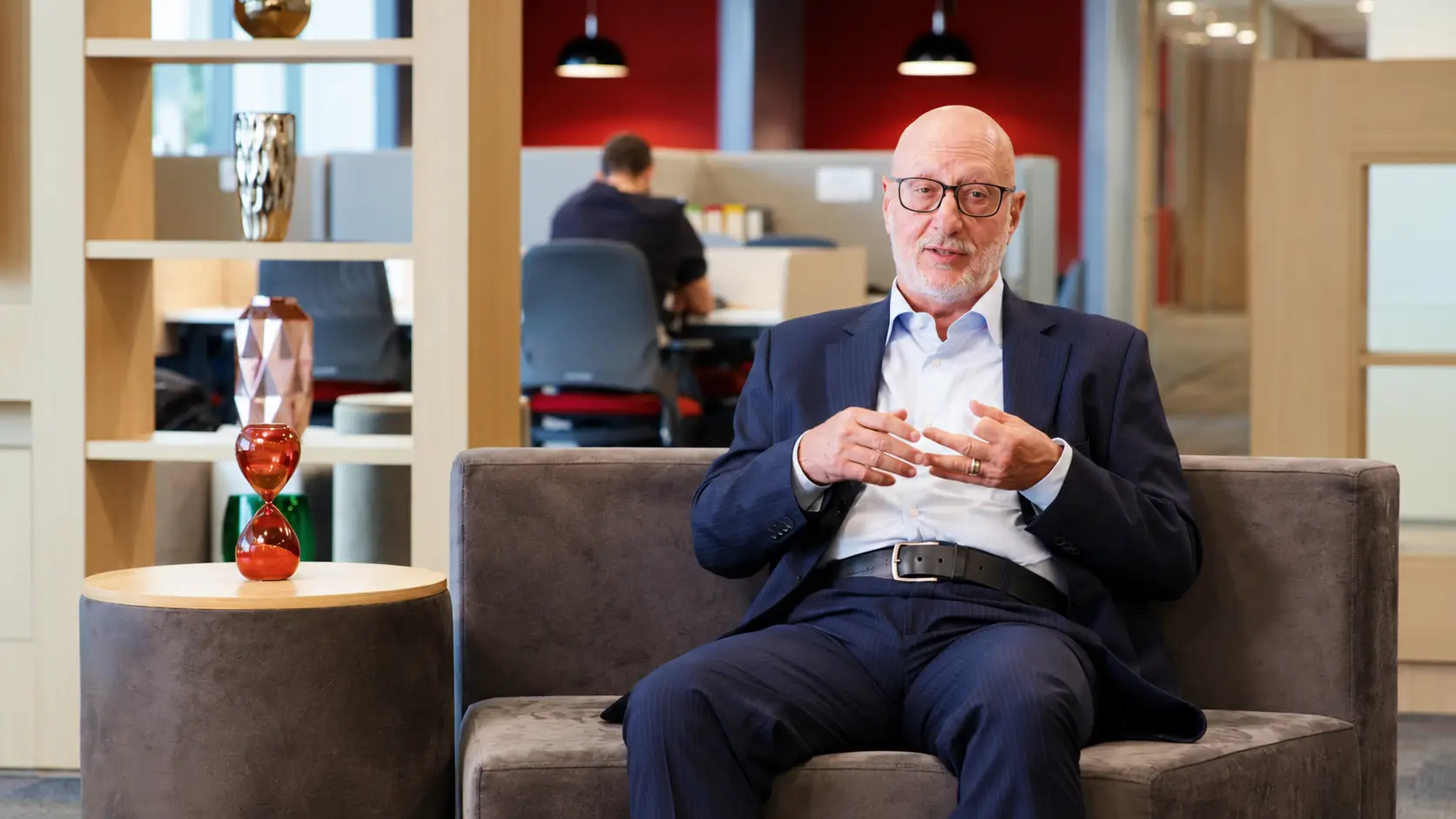
Man in a navy suit speaking on a sofa in an office lounge, from a client testimonial video for Regus
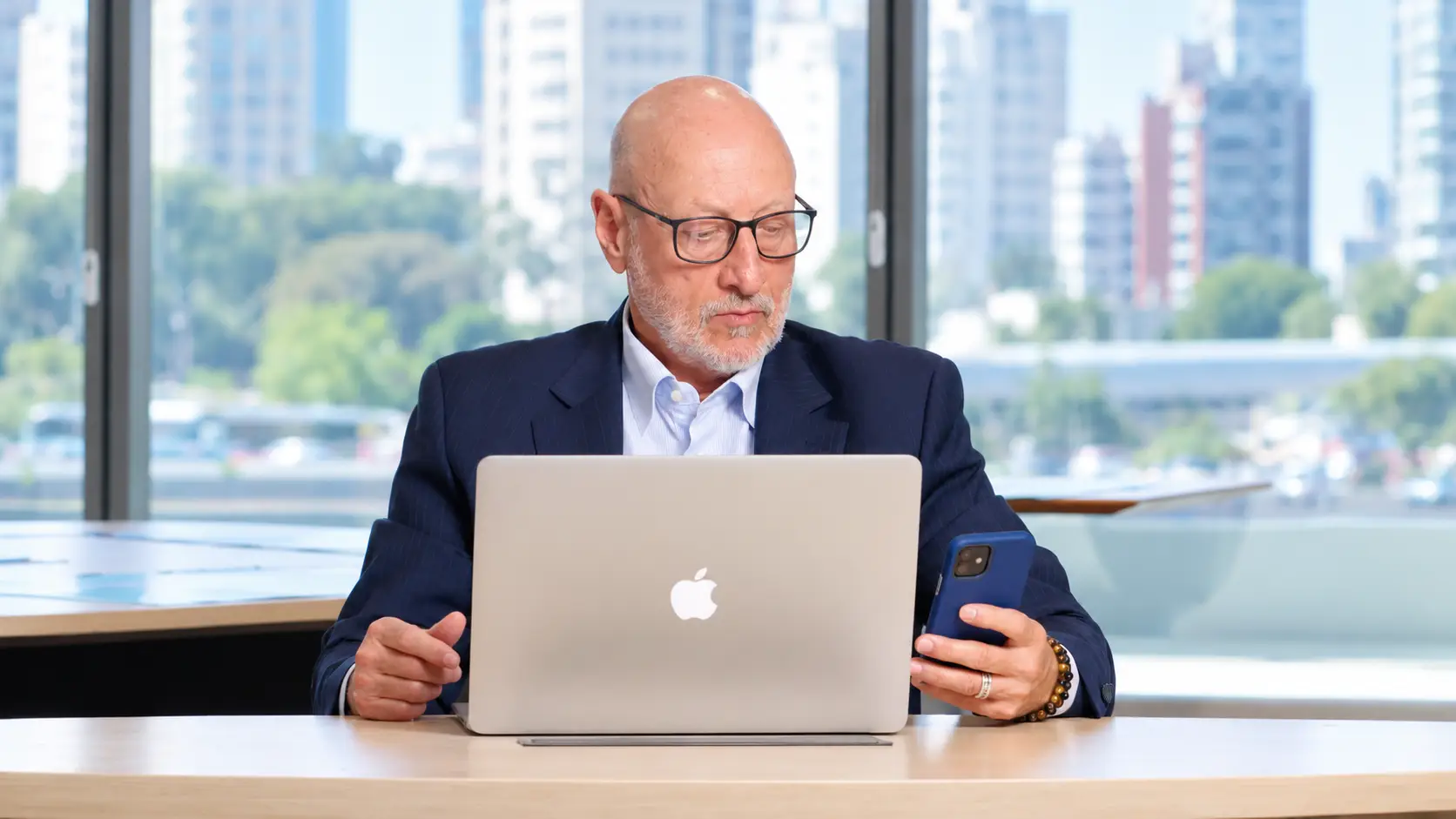
Man at a meeting table with an open laptop and a phone in his hand, from a client testimonial video for Regus
Woman holding a takeaway cup beside a branded display as a colleague walks past, from a commercial for Certta
Man with glasses and a white beard speaking while seated in a furnished lounge, from a commercial for Teixeira Duarte

Brand documentary questions

What communications and HR teams usually ask before they put their own people on camera for the first time.

What is a brand documentary?

A brand documentary is a short documentary film in which a company’s employees tell real stories, unscripted, on camera. It uses documentary methods, such as research, pre-interviews and directed conversations, to make culture and strategy credible to employees, candidates and partners. The category is also called corporate documentary production or employee storytelling.

No, and most of the people we film have none. Pre-interviews let them get comfortable before the shoot, and our directors run conversations rather than readings, so employees answer in their own words instead of performing for the camera. Anyone who is uncomfortable on the day can step back, and the story is planned so that no single person is indispensable.

Approval is planned from the start. Every participant signs a release, transcripts are shared with communications and legal before the edit is locked, and each person on screen can review how they appear before the film is published. In regulated industries we add a review round for medical, legal or compliance teams to the schedule from the start.

Most hero films run between three and eight minutes, depending on how many stories they carry. The same production also delivers cut-downs of 30 to 90 seconds and short portrait clips. A careers page can hold a longer film, while an internal feed needs the story in under a minute.

Yes. One team plans the story, films each location with local crews and delivers every version with subtitles in the languages your audiences speak. Each country keeps its own voice, and the film keeps one standard of craft. Interviews can be recorded in each person’s own language and subtitled, which keeps answers natural.

Bring four things: the decision or behavior the film should change, the audiences who will watch it, a first list of people who could appear, and the approval chain with its deadlines. A target launch date and the channels where the film will run help us plan every version from the first day. If the brief is still open, a first working session is usually enough to define it together.

Start a project

Your people have the story.
We help them tell it.

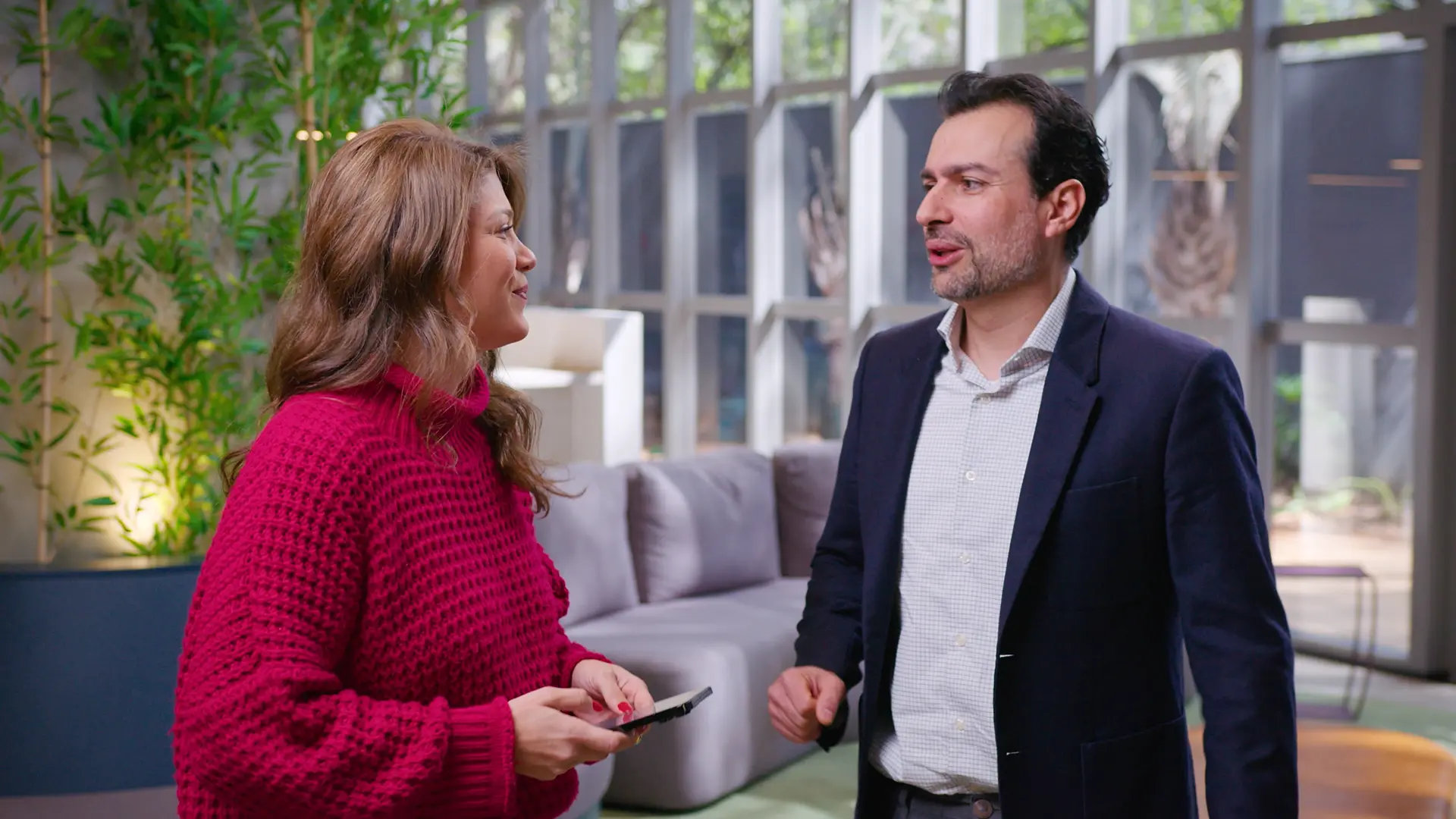
Woman holding a phone talking with a man in a navy blazer in a bright lounge, from a corporate film for Super W
Eight team members posing together in a bright open-plan office, from a corporate branding film for ABR Telecom
Three people in protective coats and hairnets walking through a factory, from a corporate film for PremieRpet
Courier in an Uber Eats vest giving a thumbs-up at a restaurant, from an internal communication video for Uber Eats