Manufacturing and Industrial Video Production
Films for chemical, materials and industrial companies, shot inside working plants under your safety rules and checked for technical accuracy by your own engineers.
Industrial and chemical companies that let us inside










Safety first
We follow your plant rules before we follow the shot list: inductions, protective equipment, permits and escorts for every member of the crew.
Production keeps running. We plan around it.
Films from the plant floor
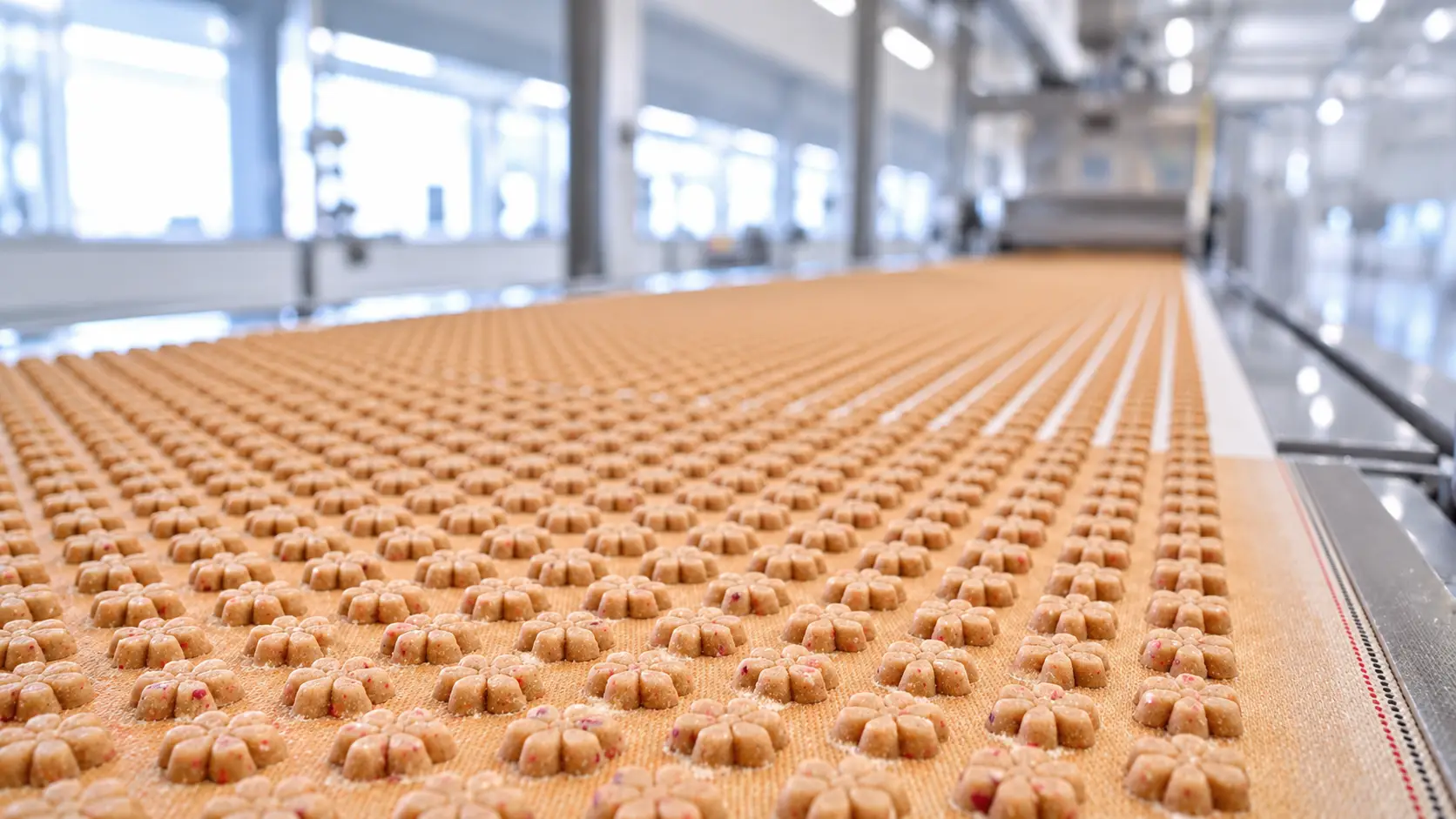
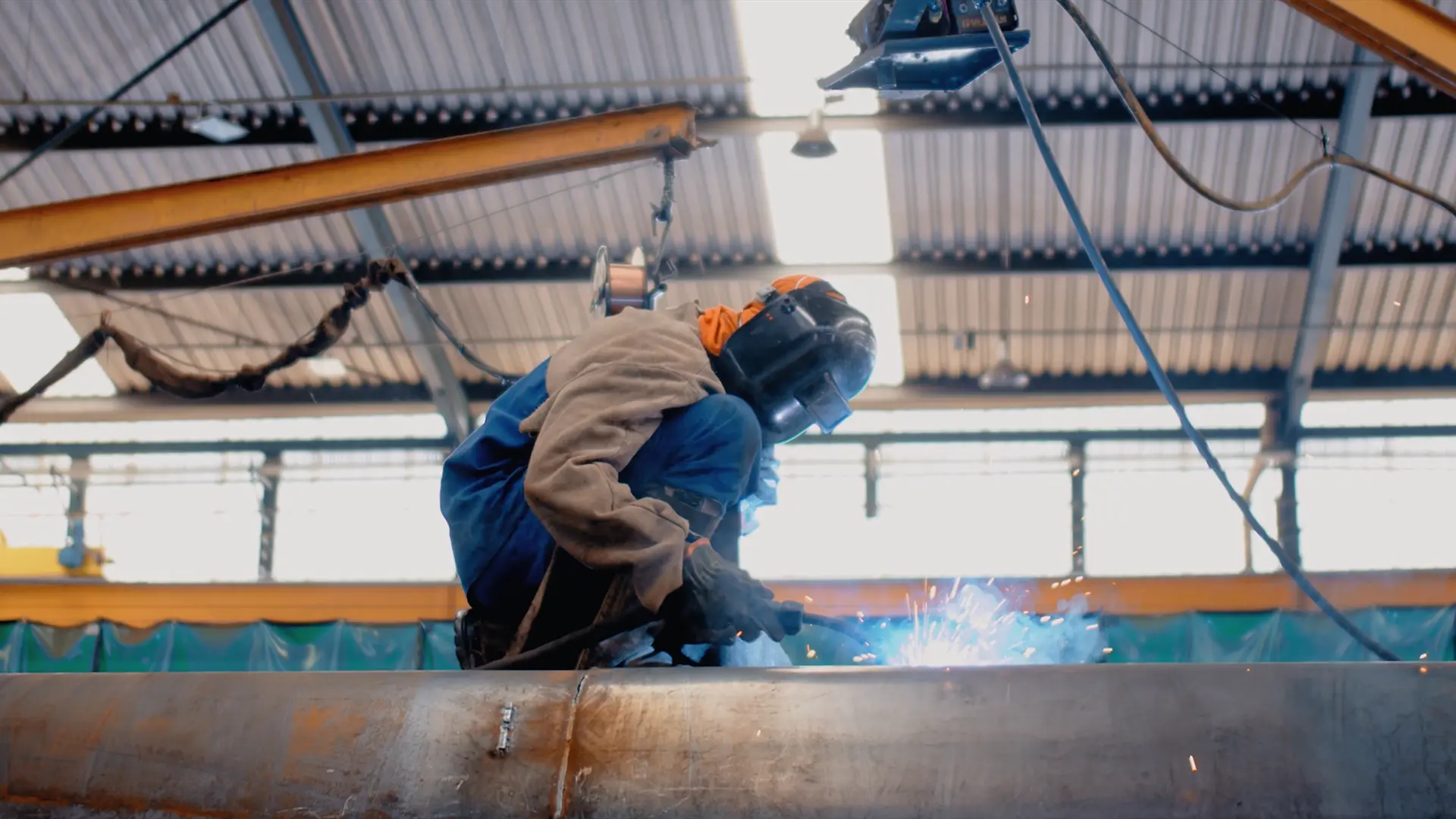
Industrial, process and safety films produced for chemical and manufacturing companies, filmed inside working sites.
What plant and communications teams ask before we arrive
Industrial video production is a negotiation between what looks good on camera and what is safe, confidential and technically correct. The teams who host us know that better than anyone. These are the questions we hear from them most often, and how we answer each one before the crew sets foot on site.
01.
Will you follow our safety rules?
Every crew member completes your induction, wears the protective equipment your site requires and works under your permits and escorts. If a shot would require bending a rule, we find another shot.
02.
Can production keep running?
We survey the site first and plan around shifts, maintenance windows and critical operations, with small crews in sensitive areas. The plant runs; we work around it.
03.
Will our process stay confidential?
NDAs before the site survey, a list of what must never appear on camera, and footage reviewed before it leaves the gate. Formulations, settings and proprietary equipment stay out of frame.
04.
Will the technical content be right?
Your engineers review the script and the edit. We write in plain language for the audience, but nothing is published until the people who run the process confirm it.
05.
How do you show what the camera cannot see?
Reactions, flows and materials at microscopic scale are shown with animation built from your data, combined with real footage of the plant and its people.
06.
We have sites in several countries
We plan multi-site productions with local crews working to the same standard, so a film shot in Brazil, the United States and Europe looks like one film.
07.
Our audiences range from operators to investors
We plan one production with versions for each audience: training for operators, application films for customers, sustainability stories for investors and the public.
Films we produced for chemical, materials and industrial companies, from plant and process films to safety training and institutional stories. Full films are available on request, and some only with the client’s permission, because industrial work often shows more than a company wants competitors to see.
Formats we produce most
The films industrial teams ask for
Manufacturing video production covers a wide range of needs, from the safety film every new operator watches on day one to the sustainability story the board presents to investors. These three formats come up in almost every industrial brief, and each has its own page.
Safety
Training and EHS films
Safety, process and equipment training your people finish and remember. Corporate training videos
Story
Institutional and sustainability films
Who you are, what you make and how you make it responsibly. Corporate films

Market
Product and application films
New materials and products shown working where customers use them. Product and launch films
One company. Plants on several continents.
Industrial groups rarely operate in one country. A safety program has to reach every site, a sustainability film has to show the whole footprint and a product film has to speak each market’s language. We plan multi-site productions as one project: one producer, local crews working to the same standard and every version delivered for every site.
Every plant
Every language
Same safety standard
One producer


Our industrial clients
Chemical and manufacturing companies on our list
Numbers from our own client records, not from a survey. They show the size and spread of the industrial companies that opened their plants, labs and offices to our crews: chemicals, materials, ingredients, agriculture, building products, security and engineering.
20
Named clients
From global chemical groups to Brazilian manufacturers.
14
Large enterprises
Size as recorded in our client list.
9
Where clients are based
Headquarters, not shoot locations.
Source: Olive Tree Films client list, 20 chemical and manufacturing clients.
Industry is not boring. Bad industrial films are.
Molten metal, precision robots, a lab that invents a new material, the people who keep a plant safe at three in the morning. Industry is full of things most people never get to see. Our job is to show them with the same care your teams put into making them, so operators, customers, candidates and investors see what is really special about how you work. Industrial video production should make people say: I had no idea it was like this.
“High quality, commitment and punctuality. Thank you for all the attention, understanding and partnership in making this project happen.”
Embratop, on its institutional film
Google review, translated from Portuguese
Industrial work, from the lab to the loading dock
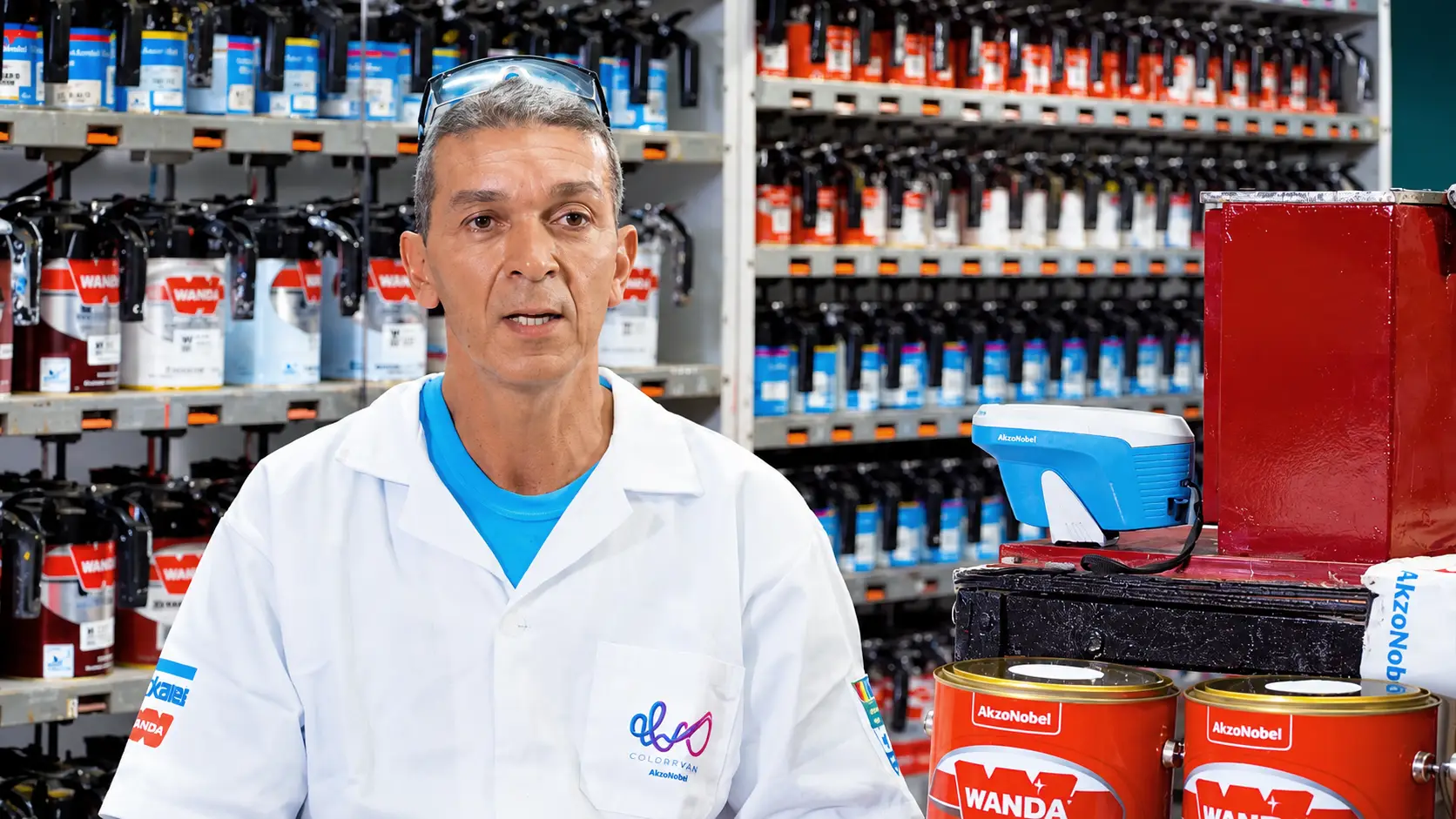
Our industrial and chemical clients include DuPont, AkzoNobel, IFF, Syngenta, ASSA ABLOY, Roquette, Votorantim, ZIEHL-ABEGG, Yale and Tranter: 20 named clients, 14 of them large enterprises, headquartered in seven countries. We know what a site induction is, why a camera cannot go everywhere and why the engineer always gets the last word. That is why industrial companies let us back in for the next film.



How we produce industrial films
From the site induction to the final cut
Five stages built around the rules of a working plant, so safety, operations and engineering are part of the plan from the first meeting, instead of surprises on the day of the shoot.
Safe sets.
Accurate films.
Plants, labs
and offices
-
Brief and site survey
Audiences, messages and a walk through the site to see what can be filmed, when and how.
-
Safety and permits
Inductions, protective equipment, permits and escorts, agreed with your safety team before the shoot.
-
Script with your engineers
Technical content written in plain language and approved by the people who run the process.
-
Shoot around production
Small crews, planned around shifts and critical operations, with confidential areas kept out of frame.
-
Post, animation and versions
Edit, animation of what the camera cannot see, and versions for each site, audience and language.
“The engineer gets
the last word.”
Every industrial film we make is reviewed by the people who know the process best, so what looks good on screen is also true on the plant floor.
Questions from industrial companies
What communications, EHS, operations and marketing leads at chemical and manufacturing companies ask before they let a production team inside.
What is manufacturing video production?
Manufacturing video production is the planning and production of films for industrial, chemical and materials companies: plant and process films, safety and EHS training, institutional and sustainability films, product and application films and recruitment. Most of it is shot inside working sites, so safety rules, confidentiality and technical accuracy matter as much as the image.
Do you follow our plant safety rules?
Always. Every crew member completes your induction, wears the protective equipment your site requires and works under the permits and escorts your safety team defines. If a shot would require breaking a rule, we find another shot.
Can you film without stopping production?
In most cases, yes. We survey the site, plan the shot list around shifts and maintenance windows, and use small crews in sensitive areas. Where a line has to pause for a specific shot, we agree the timing with operations well in advance.
Can you film in hazardous or restricted areas?
Only with your safety team’s approval and on their terms. Where your rules require special equipment or keep people out of a zone, we plan the shot with them: sometimes that means filming from a safe area, sometimes using equipment your site has approved, and sometimes showing the process with animation instead. No shot is worth a safety exception.
How do you protect our processes and formulations?
We sign your NDA before the site survey, agree with your team what must never appear on camera, and review footage before it leaves the site. Recipes, settings, screens and proprietary equipment stay out of frame, or are blurred if they appear by accident.
How do you show what happens inside a reactor, a pipe or a material?
With animation and motion graphics built from your engineers’ information, combined with real footage of the plant and the people who run it. The camera shows the scale and the care; the animation shows the chemistry.
Do you produce safety and training videos for industrial sites?
Yes. Safety, EHS, process and equipment training are among the films industrial clients commission most, often from the same production as the institutional film. See corporate training videos.
Can you film at our plants in several countries?
Yes. We plan multi-site productions with local crews working to one standard, one producer and versions in every language your sites need. See multi-market video production.
Who reviews the technical content?
Your engineers and specialists, at the script stage and again in the edit. We write in plain language for non-technical audiences, but nothing goes out until the people who run the process confirm it is right.
Can you film sustainability and ESG stories?
Yes. Sustainability films work when they show real changes, not slogans: a process that uses less water, a plant that cut emissions, a community project with names and faces. We film the evidence, agree every claim with your sustainability and legal teams, and keep the tone honest, because investors and journalists check.
Do you make recruitment films for industrial companies?
Yes. Industrial employers compete hard for engineers, technicians and operators, and most candidates have never seen the inside of a modern plant. A short film that shows the real work, the safety culture and the people who do it changes that. See recruitment video production.
What is the difference between an industrial film and a corporate film?
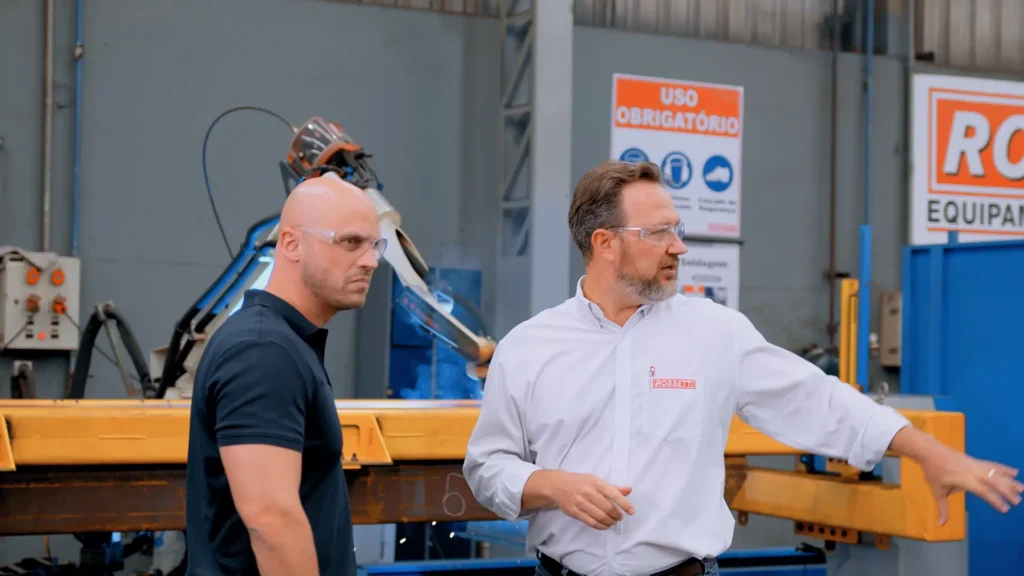
An industrial film is usually about how something is made, used or kept safe. A corporate film is about who the company is. Many industrial clients need both, and we often produce them from the same shoot. For Rossetti, the brand film let the plant and the equipment tell the story with professional narration; a separate customer case later gave one of its engineers the floor. See corporate film production.