Video Production for Communications Leaders

Every message has an owner, a timing and a risk. We produce corporate communications that leadership approves, employees understand and the market reads the way you intended.

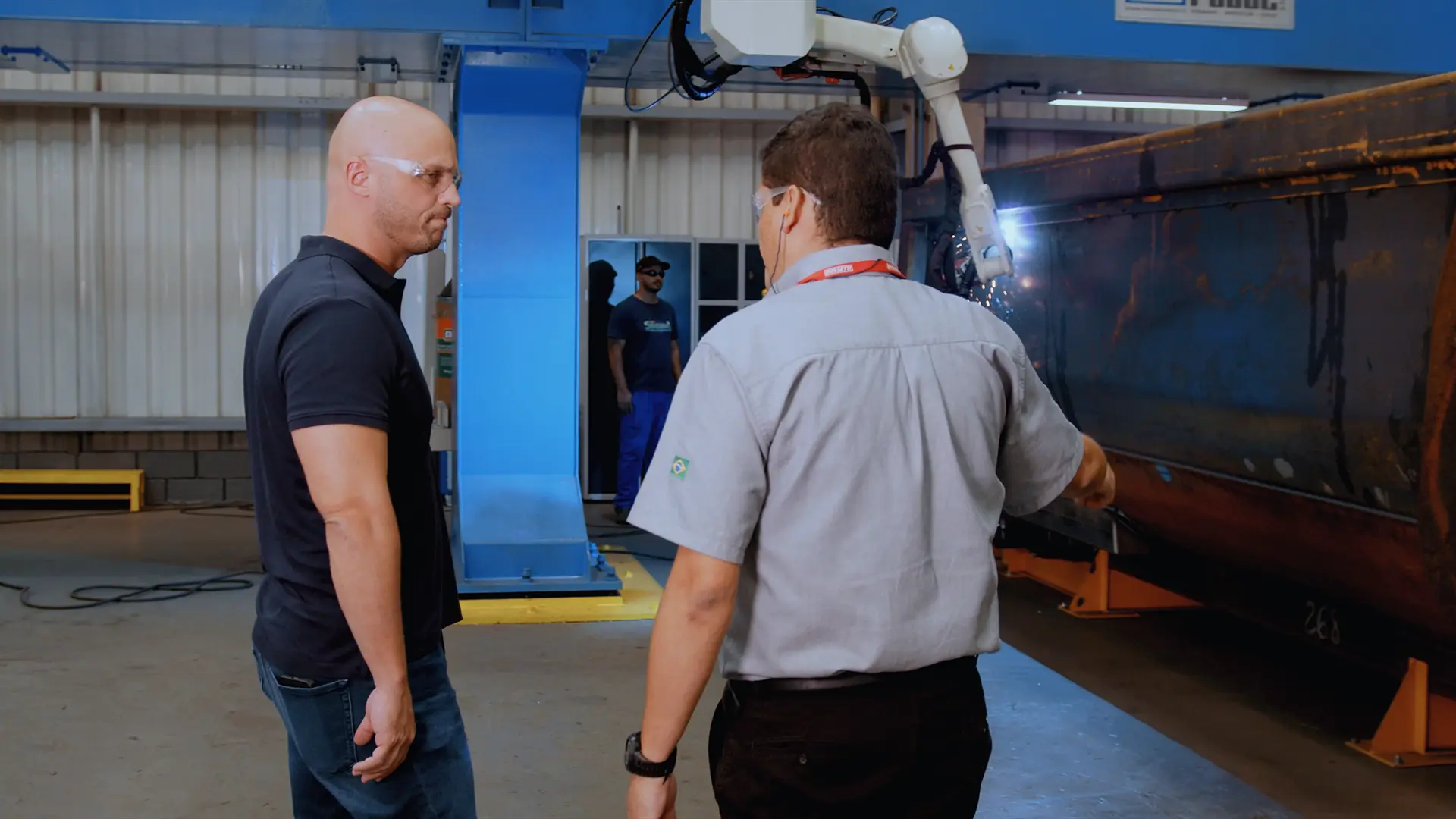
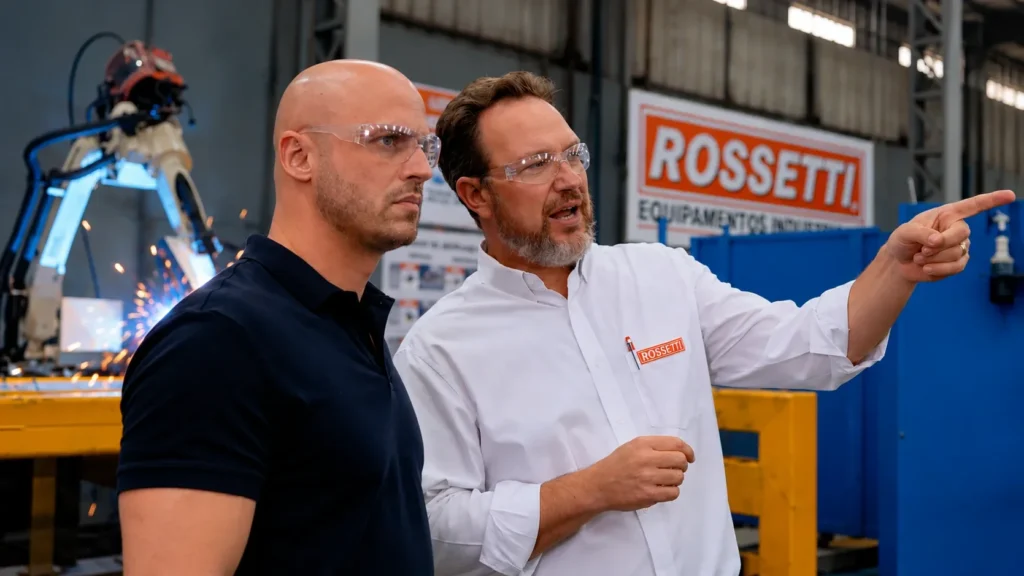
Two men in safety glasses beside factory machinery, from a brand film for Rossetti

Message discipline under pressure

Communications leaders carry a particular kind of responsibility. Every film that goes out speaks for the company: to employees, investors, regulators, journalists and the public. A tone that is slightly off, a claim legal did not see, a CEO who sounds rehearsed, and the message becomes the story instead of what it was meant to explain.

The work also runs on other people’s calendars. A leadership announcement has to be ready for the board meeting, the results day or the town hall. Approvals involve legal, HR, the executive office and sometimes regional teams, each with their own priorities. And when something urgent happens, the film has to be ready in days, not weeks.

What communications teams need from a production partner is not only craft. It is discipline: a process that protects the message, respects confidentiality and makes the approval path predictable, so the team can focus on what to say rather than on how to get it made.

Production partners who work mostly in advertising often underestimate this. A corporate message is judged less by how it looks than by whether it is accurate, timely and believable, and a single wrong word can create more work for the communications team than the film saves. We treat the brief, the script and the approval path with the same care as the camera work, because in corporate communications that is where most of the risk sits.

Two laboratory workers in protective gear examining a sample, from a brand film for Roquette
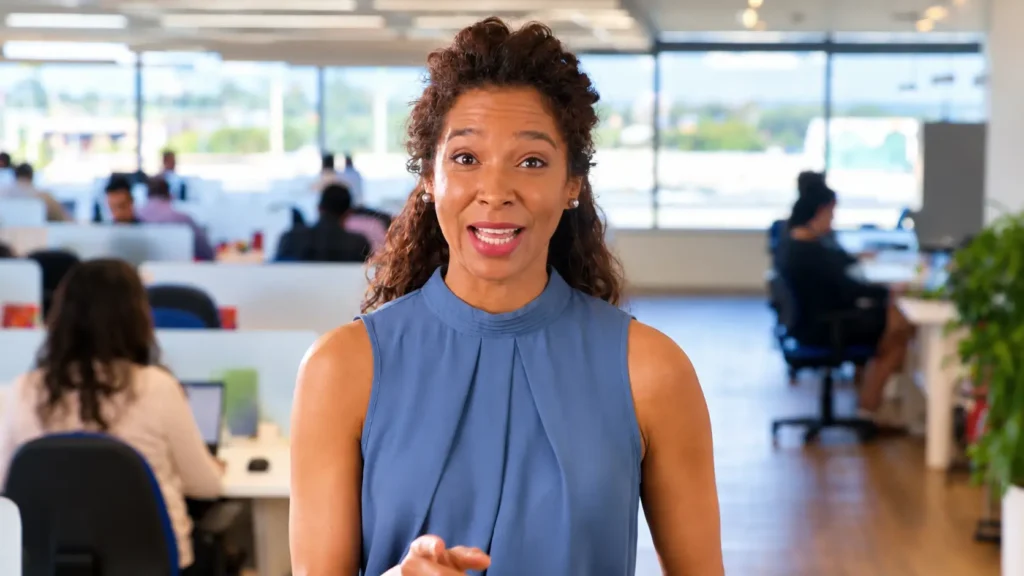
Woman in a blue blouse speaking to the camera in an open office, from a corporate branding film for ABR Telecom
Two colleagues with coffee cups talking at a table by large windows, from a corporate branding film for ABR Telecom
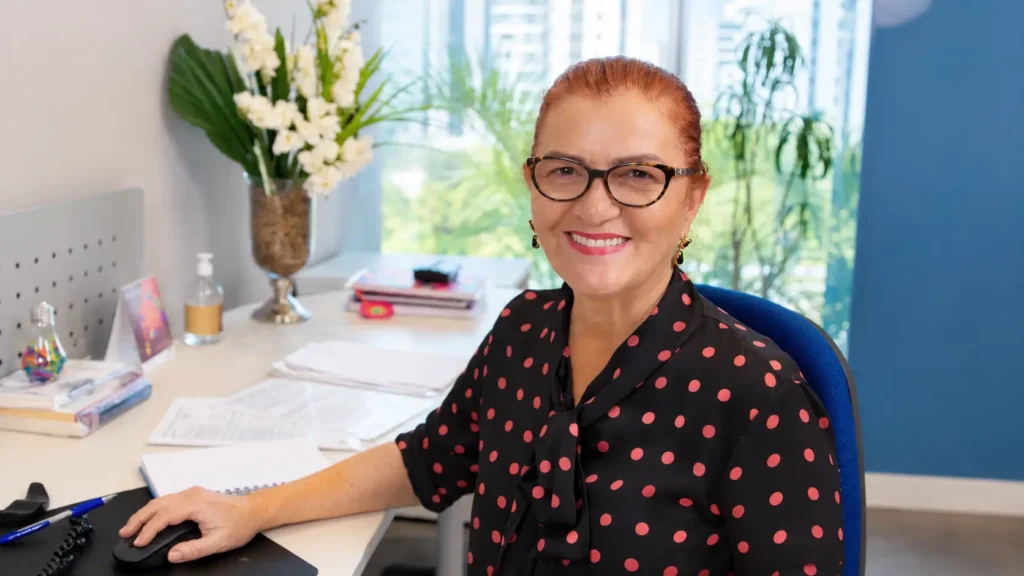
Smiling woman in glasses at an office desk with paperwork and flowers, from a corporate branding film for ABR Telecom

Trusted by communications teams at global companies

What communications leaders ask of us

The pressures we hear most often from heads of communications, and how we handle each one. Most of them are decided before the camera is switched on.

01.

Approvals that do not reopen

Defined review points with consolidated feedback from legal, HR and leadership, so the script approved is the film delivered.

02.

Leaders who sound like themselves

Executive preparation before the shoot, interviews instead of teleprompters and a director who knows how to get a natural take from a busy CEO.

03.

Confidentiality

NDAs, limited access to materials and controlled review links for announcements that cannot leak before the date.

04.

Timing with leadership

Shoots planned around executive calendars and deliveries timed for the board meeting, results day or town hall.

05.

One voice across channels

The same message adapted for the intranet, social channels, events and press, without changing what was approved.

06.

Speed when it matters

A short path from brief to delivery for urgent messages, with a small crew and a production plan built for days, not weeks.

Executive communications that sound human

The hardest film to get right is often the shortest: two minutes of a CEO explaining a decision. Leaders are busy, wary of the camera and surrounded by advisors who want to polish every word. The result is usually a stiff reading that employees ignore. We prepare executives before the shoot, interview them instead of handing them a script and build the film from what they actually say, within the boundaries agreed with the communications team.

Institutional messages need the same care. For the UN Global Compact Network Brazil’s agroindustry collective action, we produced an eight-episode integrity series in which the message belonged to the institution and the craft to us, delivered in three languages. For TOPMIND’s twentieth anniversary, a two-minute film told twenty years of history through the people and relationships behind them. Read the UN Global Compact case and the TOPMIND case.

Different institutions, different messages, the same discipline: a clear owner for the message, a defined approval path and a film that says exactly what was approved.

TOPMIND:
Anniversary film

Twenty years told in two minutes, through the people and relationships that built the company, combining real images with AI-generated imagery. A milestone film that also acknowledged the clients and partners behind the company’s history.

The trailer is public. The full film is available on request.

How approvals work

A path leadership can approve

Five stages with defined reviews, built around the people who need to sign off on a corporate message.

Approved once.
Delivered as approved.

NDAs and controlled
review links

  1. Brief and boundaries

    Message, audiences, sensitivities and who approves what, agreed upfront.

  2. Script and approval

    Script reviewed by communications, legal and leadership in one consolidated round.

  3. Executive preparation

    A short session so leaders know the questions and feel at ease on camera.

  4. Production

    Small, discreet crews, planned around executive calendars and sites.

  5. Review and release

    Rough and final cuts with consolidated feedback, then versions for every channel.


One message, many countries

For global companies, a leadership message is never just one film. It has to reach employees in several countries and languages, sometimes on the same day, without losing what made it credible in the first place. Subtitles, voice-over and local adaptations all need to be planned before the shoot, along with regional reviewers who check that the message lands the same way everywhere.

We produce global communications as one production with local versions, coordinated by one producer and finished to one standard. See how it works in global video production.

Timing matters as much as translation. When employees in one country hear a message hours before colleagues elsewhere, rumors fill the gap. We plan deliveries so every version is approved and ready for the same release moment.

Clutch Champion award, Fall 2023
Clutch Global award, Fall 2023

“Great at developing ideas together with the company, flexible with adaptations and punctual with deliveries and adjustments.”

José Carlos Barbosa
Google review, translated from Portuguese

A message that cannot go wrong?

Share what needs to be said, to whom and by when. We will propose the format, the approval path and a production plan that fits your leadership calendar.

Goals communications leaders bring us

Where we help most

Most communications briefs connect to one of these goals.

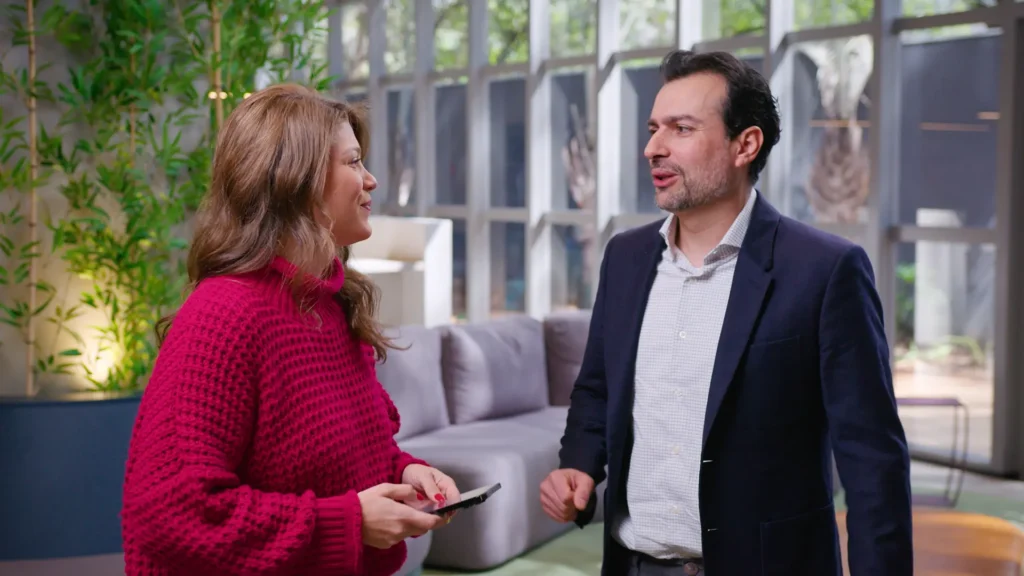
Woman holding a phone talking with a man in a navy blazer in a bright lounge, from a corporate film for Super W

Alignment

Align and train teams

Change programs that take people from the announcement to the new way of working. See change management videos.

Man in glasses and a light blazer speaking beside a reception desk and plants, from a commercial for Certta

Reputation

Build brand authority

Films that show why the company leads its field. See thought leadership videos.

Three men inspecting crops beside a truck, from a corporate documentary for BrasilAgro

Milestones

Launch initiatives

Rebrands, new systems and new policies, introduced inside and outside. See launch campaigns.

Related formats and cases

Where corporate communications connects to the rest of what we do.

Questions from communications leaders

Short answers for heads of communications planning leadership and institutional films.

What does corporate communications video production include?

Films that carry a company’s messages to its audiences: leadership and CEO messages, town hall and change announcements, corporate and anniversary films, ESG stories and executive communications for events and investors, produced with the approval path and confidentiality those messages require.

With preparation and the right format. A short session before the shoot, an interview instead of a teleprompter, a small crew and a director used to working with executives let leaders speak in their own words, which is what makes them credible.

Under NDA, with limited access to materials, controlled review links and a release plan agreed with the communications team, so nothing circulates before the date.

When it is urgent, in days. A short message with one location, a prepared leader and a clear approval path can be filmed and delivered quickly; larger films with several speakers or sites need more time.

By planning the versions before the shoot: subtitles or voice-over, regional reviewers and one finishing standard, so every country receives the approved message on the same day.

Quickly and carefully. We agree on the facts that can be stated, the tone and the approvers before filming, keep the crew and the circle of people involved small and deliver a short, direct film the communications team can release as soon as it is approved.

Yes. Results messages, strategy presentations and corporate films for investor events follow the same disciplined process, with reviews by investor relations and legal before anything is released.

Often, with different versions. Employees need more context and practical next steps; external audiences need the headline and the reason behind it. Planning both versions before the shoot keeps the message identical while each audience gets what it needs.

Start a conversation

Your message, approved.
Now let’s make it land.

Woman in a red sweater speaking while seated beside lounge seating and plants, from a corporate film for Super W
Blue-gloved hands weighing pink tablets on a digital laboratory balance, from a corporate film for Roquette
Two men discussing a robotic welding station beside a large metal structure, from a corporate film for Rossetti
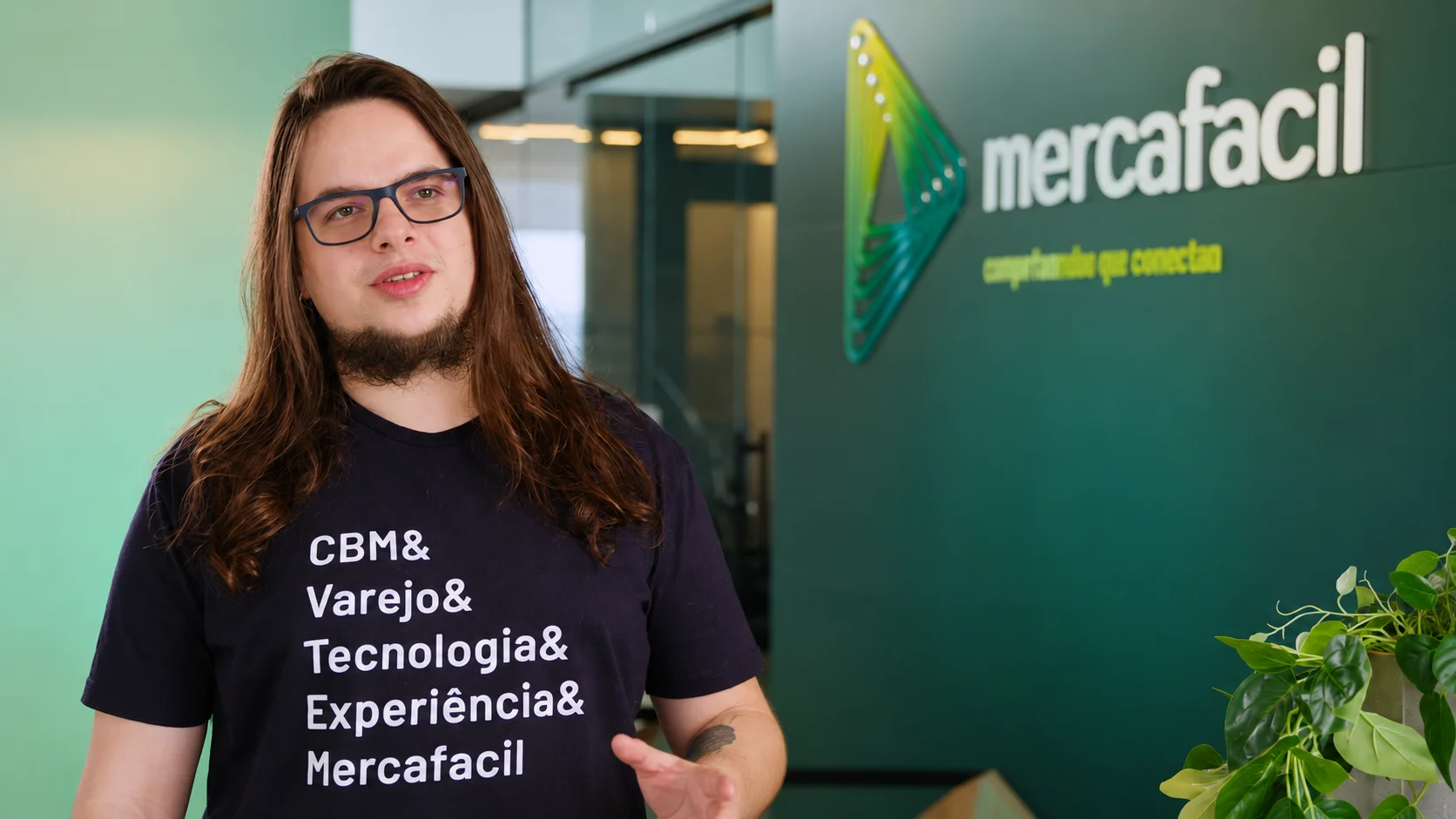
Mercafacil team member speaking beside a branded office wall, from an employer branding film