HR Video Production for HR and Employer Branding Teams
Hiring, onboarding, culture and internal programs, produced with real employees and real workplaces, at the scale and in the languages your workforce needs.
For HR, talent and employer brand teams
Your employer brand is what people tell each other about working with you. Film helps you show it before they ask.
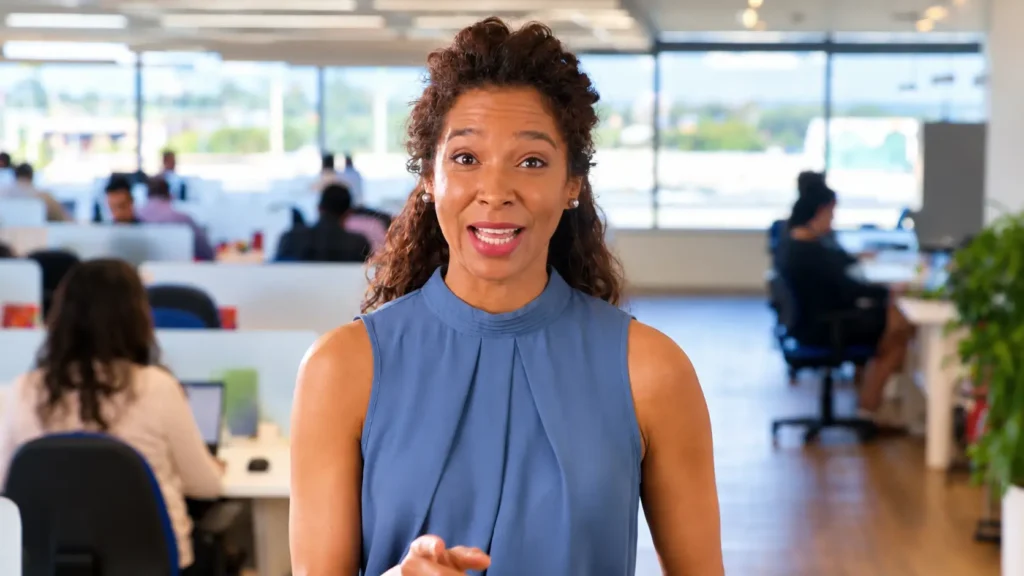
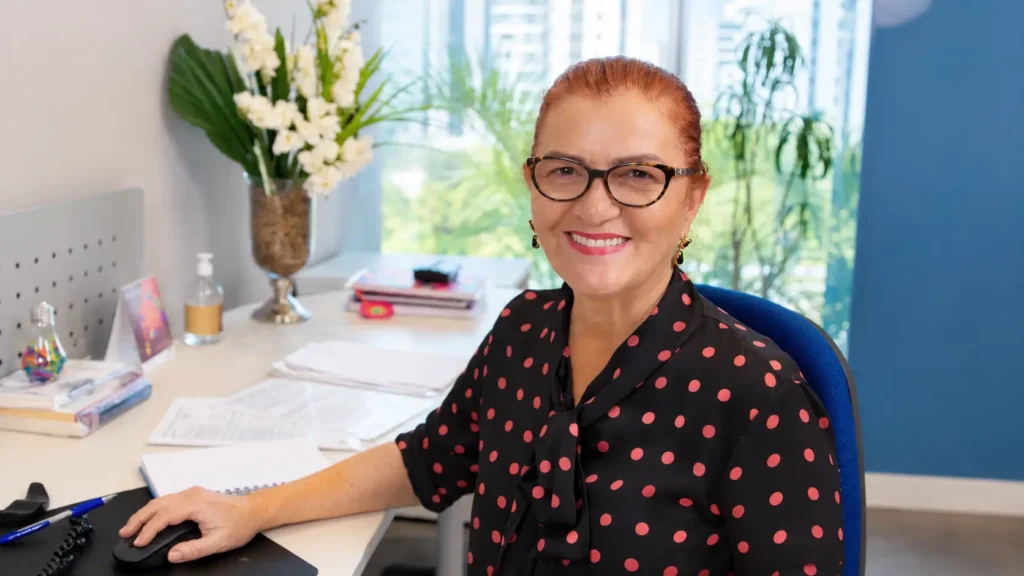
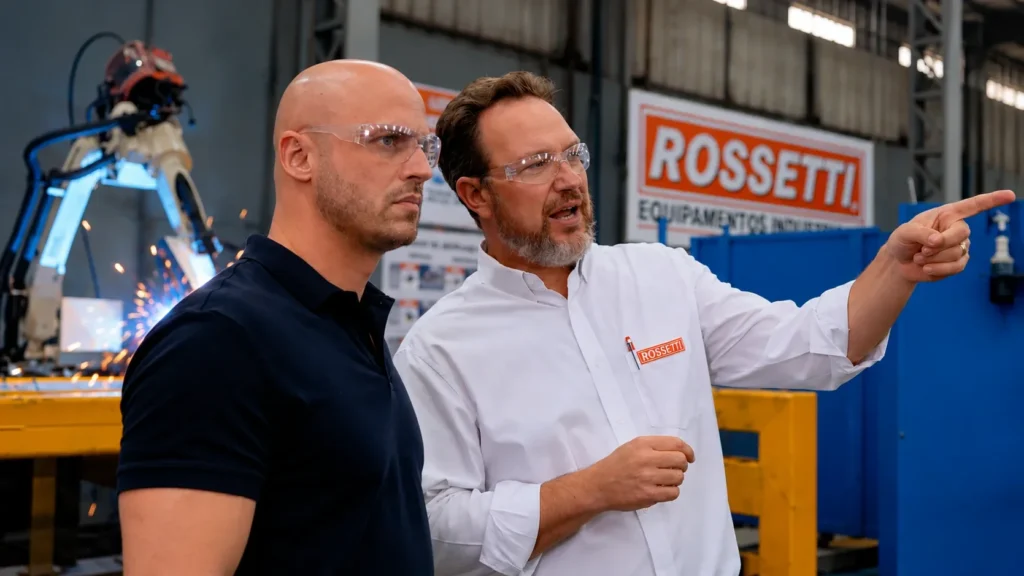
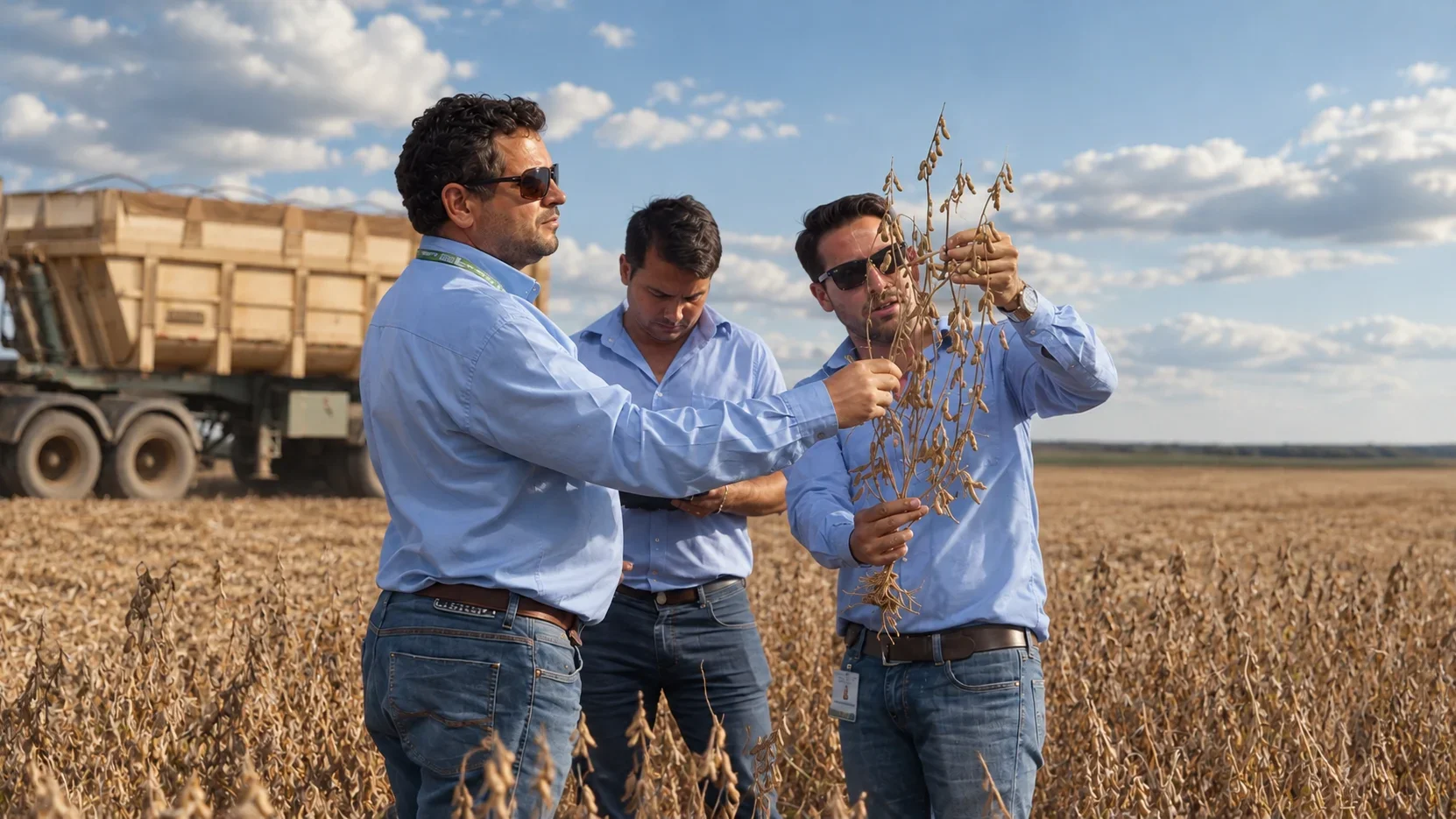
Real employees. Real workplaces.
Trusted by employers around the world


The people side of the business
HR teams sit at the center of the problems every company feels most: competing for talent against brands with bigger budgets, onboarding new people fast enough to keep up with growth, keeping culture intact as the company spreads across sites and countries, and protecting an employer reputation that now lives on review sites and social media.
Video touches all of it. Candidates watch before they apply. New hires watch before their first day. Employees watch when leadership explains a change or a new benefit. The question is no longer whether HR needs video, but how to produce enough of it, with enough quality and honesty, without turning the HR team into a production department.
That is where a partner helps: one team that understands employer branding, onboarding, internal communication and training, and can produce HR videos across all of them with real employees, real workplaces and the approvals HR work requires.
We bring the same approach to every HR brief: the right questions about audiences, roles and sites, a realistic plan for filming people at work without disrupting it and an approval path that respects HR, legal and the employees who agree to appear on camera. The goal is a film people are proud to share with friends, family and the candidates who come after them.

HR videos across the employee journey
We produce for every stage of the employee journey. Before hiring: employer brand and recruitment films that show candidates what working with you is really like, explained on our page about employer branding video production. On arrival: onboarding and welcome films that help new people feel part of the company from day one. During the journey: training, policy and compliance videos, internal campaigns and change programs. And throughout: culture, values and recognition films that remind people why they stay.
Each stage has different owners and audiences, but they all depend on the same thing: real people speaking honestly about real work. That is why we plan HR productions to share material where it makes sense, so a single shoot at a site can feed a recruitment film, an onboarding module and a culture piece at once.
For employer branding, honesty is also a filter. A film that shows the real pace, the real environment and the real people of a job attracts candidates who want that job and helps others decide early that it is not for them. That saves time for recruiters and managers, and it starts the relationship with new hires on the right expectations.

Employer brand and recruitment films

Onboarding and welcome videos

Culture and values films

Policy and compliance videos

Change and leadership messages

Recognition and celebration films

Employer brand and recruitment films

Onboarding and welcome videos

Culture and values films

Policy and compliance videos

Change and leadership messages

Recognition and celebration films
What HR teams need from production
The pressures we hear from HR and talent leaders, and how we handle each one, from the first candidate film to the last policy update.
01.
Competing for talent
Films that show the job and the team honestly, so candidates who apply already understand the work and want it.
02.
Onboarding at scale
Welcome and onboarding videos that give every new hire the same start, in every site and language, without depending on who is available that week.
03.
Employees on camera
Interview-led filming, preparation before the shoot and image releases handled properly, so employees are comfortable and the company is protected.
04.
Sensitive topics
Policies, benefits, compliance and change explained clearly and respectfully, reviewed with HR and legal before release.
05.
Sites that cannot stop
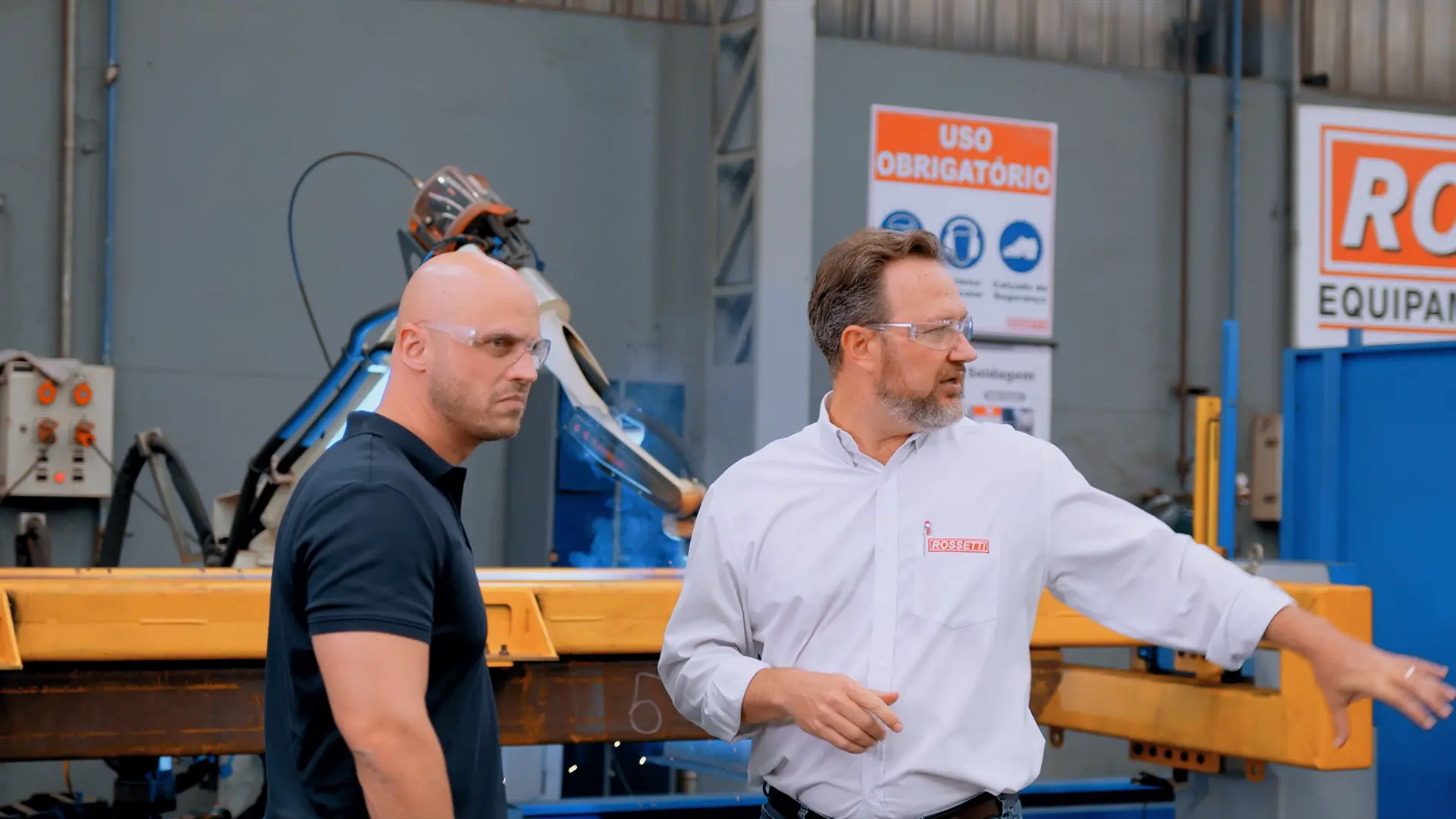
Small crews that film real work without interrupting operations, scheduled around shifts and safety rules.
06.
Content that ages
Modular films that can be updated when people or policies change, instead of reshooting everything.
Hiring and onboarding in several countries
Global employers rarely hire or onboard in one place. A welcome film that works at headquarters may mean little at a plant on another continent, and a recruitment film in one language reaches only part of the people you want to hire. We produce HR programs as one production with local versions: the same core story, employees filmed at the sites where they work and versions with subtitles or voice-over for each language.
That keeps the employer brand consistent across countries while letting each site show its own people and reality. See how it works in global video production.
Local HR teams review their versions before release, so each country can check the language, the faces and the details that only people on the ground would notice.
Same culture everywhere
Local faces
Every language
Filmed at your sites
Training and onboarding that people finish
Onboarding and training are where HR video works hardest. New people need the same information wherever they join, and employees need to learn procedures and policies without losing hours in classrooms. Short modules, real settings and clear explanations make the difference between a video that is watched and one that is skipped. For practical programs, see our approach to corporate training video production.
When a change affects the whole workforce, such as a new structure, system or policy, HR and communications need to move together. A planned sequence of films, from the leadership message to the training modules, takes people from the announcement to the new way of working. See how we approach change management videos.
Compliance and policy content deserves the same care. People rarely skip a compliance video because the topic is unimportant; they skip it because it feels like a legal document read aloud. Short scenarios, recognizable situations and a respectful tone change that. That was the approach behind our animated integrity series for the UN Global Compact Network Brazil’s agroindustry collective action, delivered in three languages.
Eight animated episodes on everyday integrity dilemmas, from gifts and hospitality to conflicts of interest, produced for the companies of an agroindustry collective action and delivered in Portuguese, Spanish and English. Read the UN Global Compact case.
The trailer is public. The full episodes are available on request.
How we film with employees
Real people, properly prepared
Five stages designed to get honest stories from employees while protecting them and the company.
Real employees.
Real places.
Releases and
approvals handled
-
Brief
Audiences, roles and the message, agreed with HR and communications.
-
Casting employees
Pre-interviews to find the voices that explain the work best.
-
Sites and releases
Access, safety rules, shifts and image releases agreed with each site.
-
Filming
Small crews, real work, interviews instead of scripts.
-
Versions and approval
Main films, cuts and languages, reviewed by HR and legal before release.
“Honest films
keep good people.”
Employees agree to appear when they trust the process. We explain how the film will be used, keep interviews conversational and give HR control over the final cut, so the experience is good for the people on camera and for the company behind them.
Hiring, onboarding or changing?
Tell us what your people team is working on this year. We will map the films that support it, from recruitment to onboarding and internal programs, and propose a production plan your HR and communications teams can approve.
“Really nice people to work with, with very good support in developing the pieces.”
William Pires
Google review, translated from Portuguese
Related formats and goals
Where HR work connects to the rest of what we do.
Questions from HR teams
Short answers for HR, talent and employer brand teams planning video, from onboarding and image releases to languages, measurement and ownership.
What is HR video production?
The production of videos for HR goals: recruitment and employer branding films, onboarding and welcome videos, training and policy videos, internal campaigns and culture films. It works best with real employees and real workplaces, and with the approvals HR work requires.
What makes a good employee onboarding video?
A clear welcome from real people, the practical information new hires actually need in their first weeks and a length short enough to finish. Several short modules work better than one long film, and they can be updated as policies change.
How do you get employees comfortable on camera?
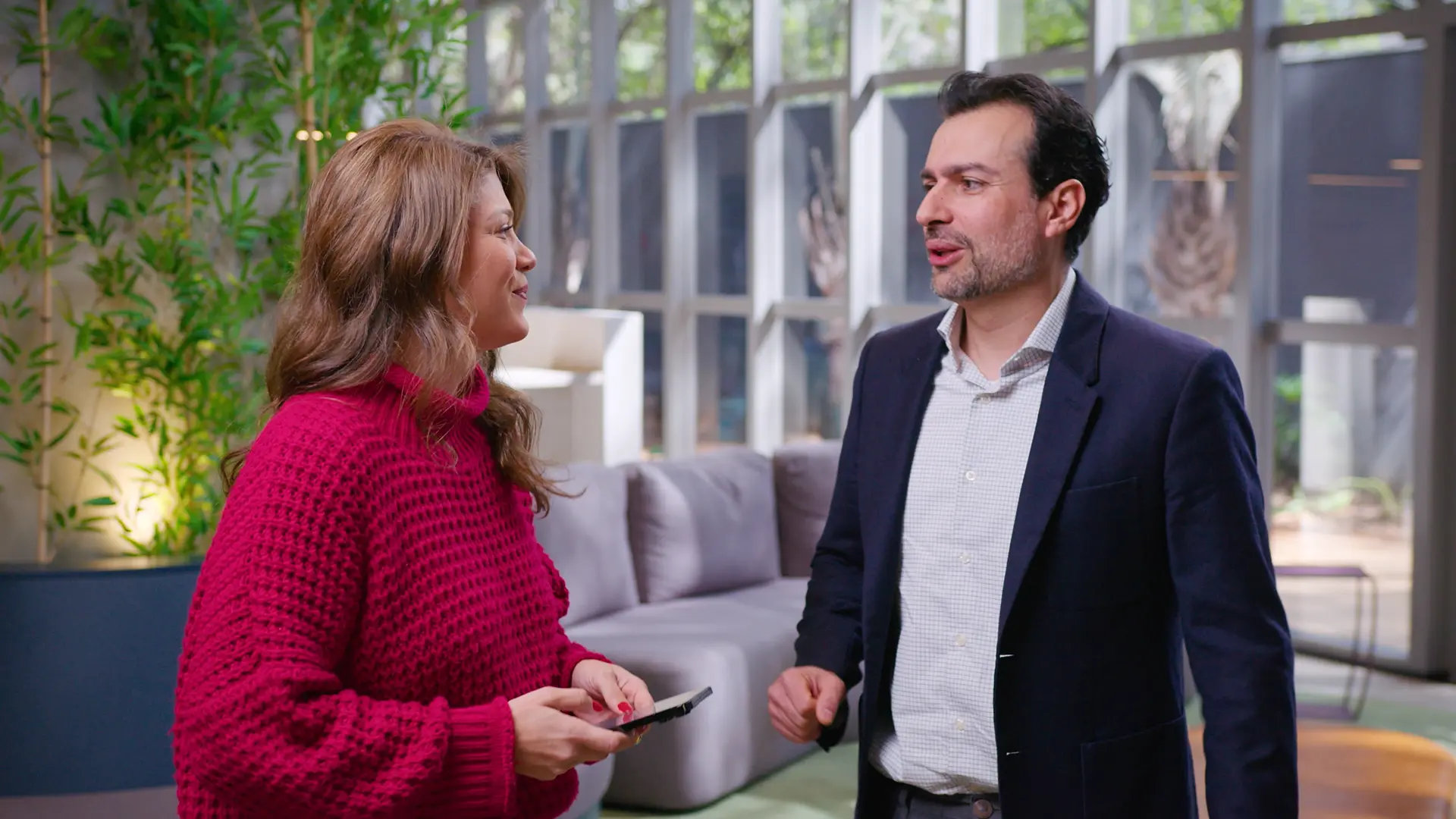
With preparation and the right format: a pre-interview, a conversation instead of a script, a small crew and the reassurance that HR will review the final cut. Most employees do well on camera when they talk about work they know.
Do employees need to sign image releases?
Yes. Everyone who appears signs a release agreed with your HR and legal teams before filming, and the production keeps track of who appears in which film, so content can be updated if someone leaves the company.
Can one shoot produce recruitment and onboarding content?
Yes, when it is planned that way. A day at a site can feed a recruitment film, onboarding modules and culture pieces, because the same people and places serve all of them with different edits.
How do you measure the impact of HR videos?
With the indicators HR already tracks: application quality and volume for recruitment films, completion and feedback for onboarding and training, and survey results or participation for culture and change programs. Each film is planned around one of them.
Can HR videos be produced in several languages?
Yes. Subtitles, voice-over or local presenters are planned before the shoot, so every site receives the same content in its own language, reviewed by local HR teams before release.
Who should own HR video inside the company?
Usually HR or employer branding, working closely with communications and, for training, with learning teams. We help define who briefs, who approves and who publishes, so content does not stall between departments.