














Global Video Production for Multi-Market Brands

One brief. Multiple markets. One production standard.

Multi-market production

One team, one contract and one standard for films that have to work in more than one country.

400+ clients in more than 30 countries.

Brands that work across borders

Child scooping powder from a strawberry Danone Neoforte can on a kitchen counter, from a commercial for Danone

What is multi-market production?

Multi-market production is a way of making video for companies that speak to more than one country at once. Instead of producing one film and translating it later, or letting each market hire its own agency, the work is planned from the first brief for every market, language and channel it has to reach. One creative idea, one production standard and one team, delivered as the versions each market actually needs.

The difference shows up in the details. A global product launch needs the same story in São Paulo, Miami and London, but not the same subtitles, the same legal supers or the same faces on screen. An internal campaign needs the CEO’s message to land in three languages without sounding like three different companies. A training program needs the same procedure filmed in plants that look nothing alike. Multi-market production treats those differences as part of the plan, not as problems to fix in the edit.

That is the core of our global video production work: one brief, multiple markets, one production standard. The rest of this page explains how it works in practice, from what stays central to how a single production partner runs crews, languages and approvals across countries.

Woman and child beside a blender and a Neoforte nutrition product, from a commercial for Danone Neoforte
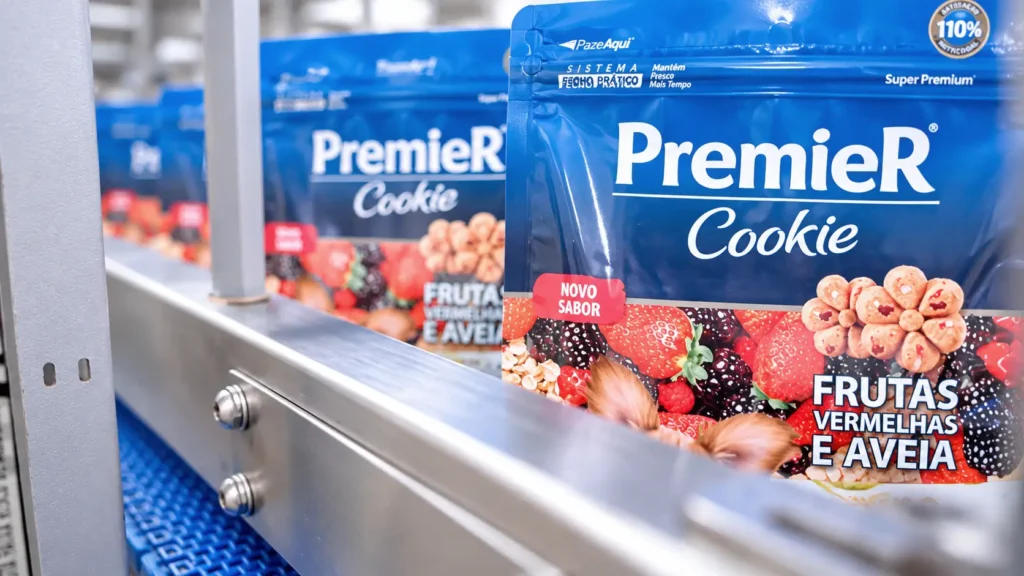
Blue PremieR Cookie pouches traveling along a factory conveyor, from a corporate film for PremieRpet
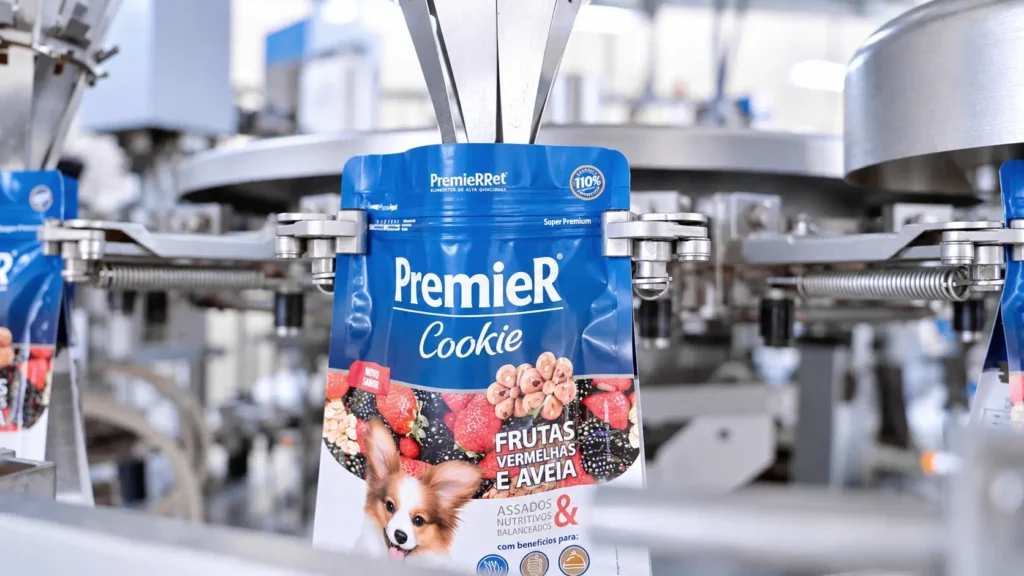
PremieR Cookie pouch held inside automated packaging machinery, from a corporate film for PremieRpet
Rows of trucks fitted with white Rossetti dump bodies in an outdoor yard, from a corporate film for Rossetti

What should be centralized, and what should be local?

The rule we work by: centralize what defines the brand, localize what defines the audience. Getting this split right is what keeps a multi-country project from turning into several separate productions.

01.

Central: strategy and creative idea

The objective, the audiences, the story and the message hierarchy are decided once, with the global brand or communications team, before any market starts its own work.

02.

Central: the master script

One master script, written with localization in mind, so every market adapts the same structure instead of rewriting the film.

03.

Central: look, sound and finishing

The visual system, the music direction, the graphics package and the final color and sound mix stay with one team, so every version feels like the same brand.

04.

Central: approvals and assets

One approval path, one schedule, one budget and one library where masters, versions and files are named and stored the same way.

05.

Local: language and talent

Native speakers on camera and in the voice booth, cast for each market, so the message sounds natural where it is heard.

06.

Local: locations, crews and permits

Crews who know the city, the permits, the unions and the seasons, briefed to our standard before they shoot a single frame.

07.

Local: culture and regulation

Market reviewers who check claims, references, gestures and legal requirements, from medical codes in healthcare to product rules in financial services.

08.

Local: market-specific content

Prices, product names, legal supers and calls to action that change by country, built into the edit as replaceable layers.

How does one production partner manage multiple countries?

With one contract, one budget and one producer who answers for the whole project. You brief us once. From there, our producer builds the plan for every market: which scenes are filmed where, which crews are needed, which approvals each country requires and how all of it fits one schedule. You get one point of contact and one consolidated picture of the project, whatever the number of countries.

On the ground, the work combines our own direction with local crews. We have offices in São Paulo and Miami and local addresses and phone numbers in New York, London and Singapore, and we produce with our own direction and local crews in Rio de Janeiro, Atlanta, Dallas, Hong Kong and Dubai. Beyond those cities, we hire and brief crews in the market to the same technical and creative standard, and our team leads the shoot. Coordination follows the time zones: reports, dailies and decisions move on a rhythm agreed at the start, so nobody waits a day for an answer that should take an hour.

Clutch Champion award, Fall 2023
Clutch Global award, Fall 2023

How do you handle localization, language and cultural differences?

Video localization starts in the script, not in the edit. When we know a film will travel, we write it to travel: on-screen text kept on separate layers, room for languages that run longer than English, scenes that do not depend on a joke or a reference only one country understands. Then each market gets the right path: subtitles, a new voice-over, or presenters and interviewees filmed in their own language. For our series for the UN Global Compact Network Brazil’s agroindustry collective action, that meant eight animated episodes delivered in Portuguese, Spanish and English.

Language is only half of it. Casting decides whether a market believes what it sees, so we cast native speakers where the language matters most: for Wizard by Pearson, American or British native speakers, or performers with advanced English, tested for fluency and acting. Culture runs deeper than words. When a character’s religious or cultural details shape a scene, we research them, and when an accent brings the message closer to its audience, we cast for it, as with the regional voice talent we chose for the Way-262 explainers in Minas Gerais. Taglines and claims are transcreated rather than translated, and market reviewers are built into the approval path before a version ships.

UN Global Compact:
Three languages

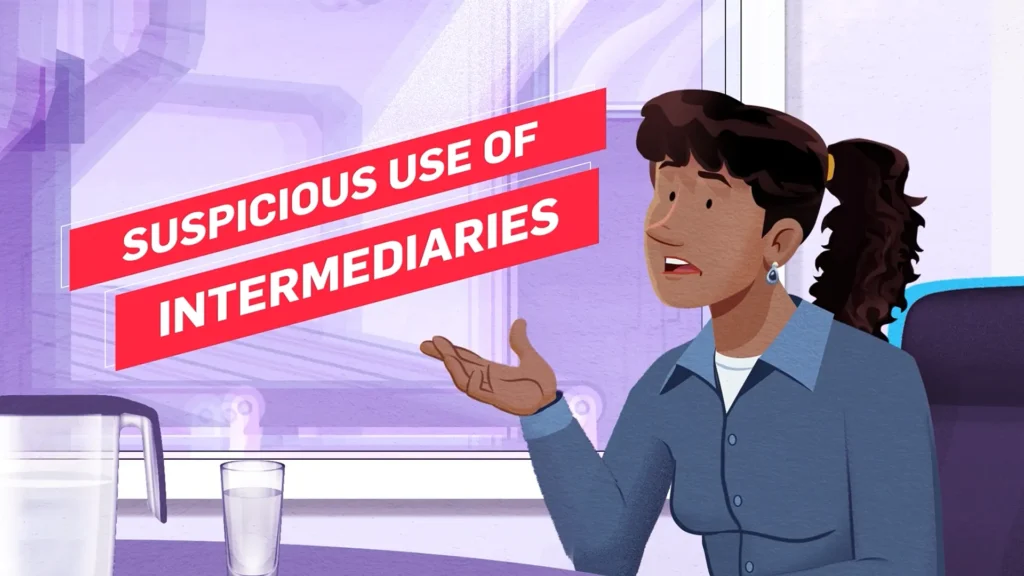
Eight animated episodes on everyday integrity, produced for the UN Global Compact Network Brazil’s Agroindustry Anti-Corruption Collective Action and delivered in Portuguese, Spanish and English. The English version was presented in Paris at a side event to the OECD Anti-Corruption and Integrity Forum.

The trailer is public. The full episodes are available on request.

Crews, logistics and approvals

How do you manage crews, logistics, schedules and approvals?

One master plan for every market: who films what, where and when, and who approves each step. Five stages, each closed by a defined review.

One master
schedule

Regional reviewers
in the approval path

  1. Brief and matrix

    Objectives, audiences and a deliverables matrix: markets, languages, ratios and durations.

  2. Post-production

    Crews, locations, permits, casting and travel planned market by market, on one schedule.

  3. Post-production

    Our direction on set, with local crews working to one technical and creative standard.

  4. Post-production

    One finishing team for color, sound and graphics; every version built from the approved master.

  5. Review and delivery

    Global and regional reviewers at defined points; files named and delivered to each market’s specs.


Why Olive Tree Films

Why Olive Tree Films for multi-market production?

Because we have been doing it for nearly two decades, for more than 400 clients in more than 30 countries, and because the proof is in the work. Our founders, Silas Oliveira and Caroline Mendonça, built the studio after studying art and video production in California, and our team delivers in Portuguese, Spanish and English. We combine a full-service studio in Brazil with a US headquarters in Miami, so global companies get production capacity in Latin America with the contracts and standards of an international partner.

Three cases show the model at work.

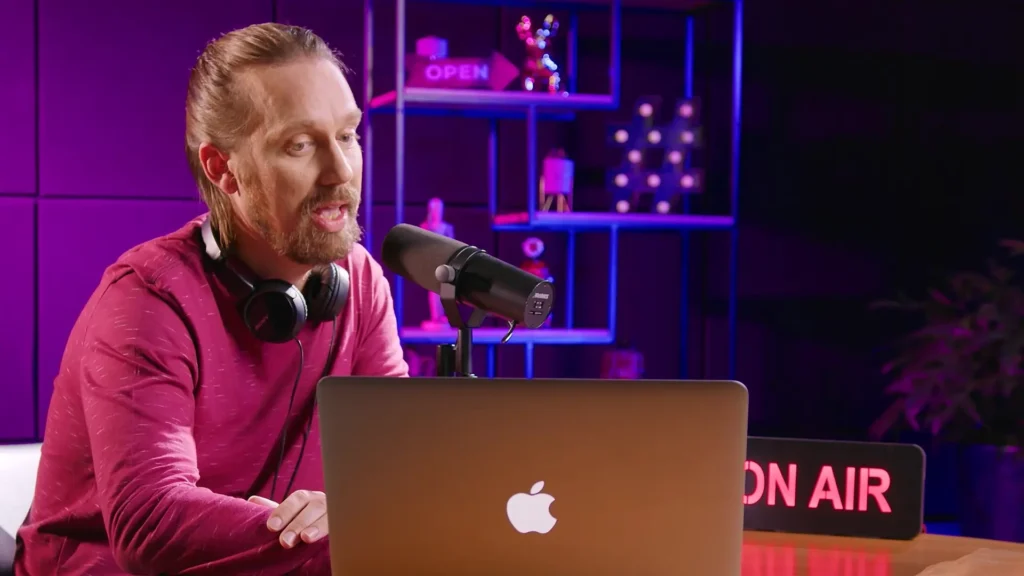
Man with headphones speaking into a studio microphone beside a laptop, from an educational video for Wizard by Pearson

Global animation

Pearson

More than 900 animated lessons for Imaginarium, with staged validation across long production cycles. Read the case.

Animated woman beside the words Suspicious Use of Intermediaries, from an animated training video for UN Global Compact

Three languages

UN Global Compact

Eight animated episodes in Portuguese, Spanish and English, presented in Paris. Read the case.

Office worker with many arms holding devices and a mug behind a desktop computer, from a commercial for Tuvis

Made locally

Tuvis

An English-language brand film produced in São Paulo with a native English-speaking cast. Read the case.

By the numbers

One brief.
One standard.

Built over nearly two decades

From our own records: clients served, countries reached, productions delivered and the cities where we produce with our own direction.

clients
0 +
countries
0 +
productions, approx.
0
production cities
0

“The team delivered very high quality broll at a variety of locations.”

Greg Johns, Videographer, OpenText
Verified review on Clutch

Multi-market work in practice

Cases and places where one standard met many markets.

Questions about multi-market production

Short answers for global marketing, communications and learning teams planning work in more than one country.

What is the difference between global video production and translating a video?

Translation adapts a finished film. Global video production plans every market from the brief: casting, scenes, on-screen text and versions are designed so each country gets a film that feels made for it, not a subtitled copy of someone else’s.

It usually avoids paying several times for the same work. The creative development, the finishing and the project management happen once instead of in every market, and versions are planned instead of improvised. The budget depends on the number of markets, languages, shoots and deliverables.

We deliver in Portuguese, Spanish and English, as in our series for the UN Global Compact Network Brazil. For other languages, we plan subtitles, voice-over or native presenters for each market, with reviewers from that market built into the approval path.

Not always. Some projects film everything in one place and localize in post-production; others need scenes in each market. When we film locally, we hire and brief crews in that market to our technical and creative standard, and our team leads the shoot.

They are designed before the shoot. We agree who approves the script and the master, which regional reviewers check each version, and at which points legal, medical or regulatory review happens, so feedback arrives in time to be used.

It depends on the scope. A single film with a few language versions can move in weeks; long collections take months. Our global animation projects for Pearson ran in cycles of roughly six to twelve months, with staged reviews along the way.

Yes, when it is planned for it. We cover scenes for every aspect ratio, keep market-specific elements on replaceable layers and, where needed, film alternative takes for different audiences, so one shoot produces a family of versions instead of a single film.

Start a conversation

One brief. Multiple markets.
One production standard.

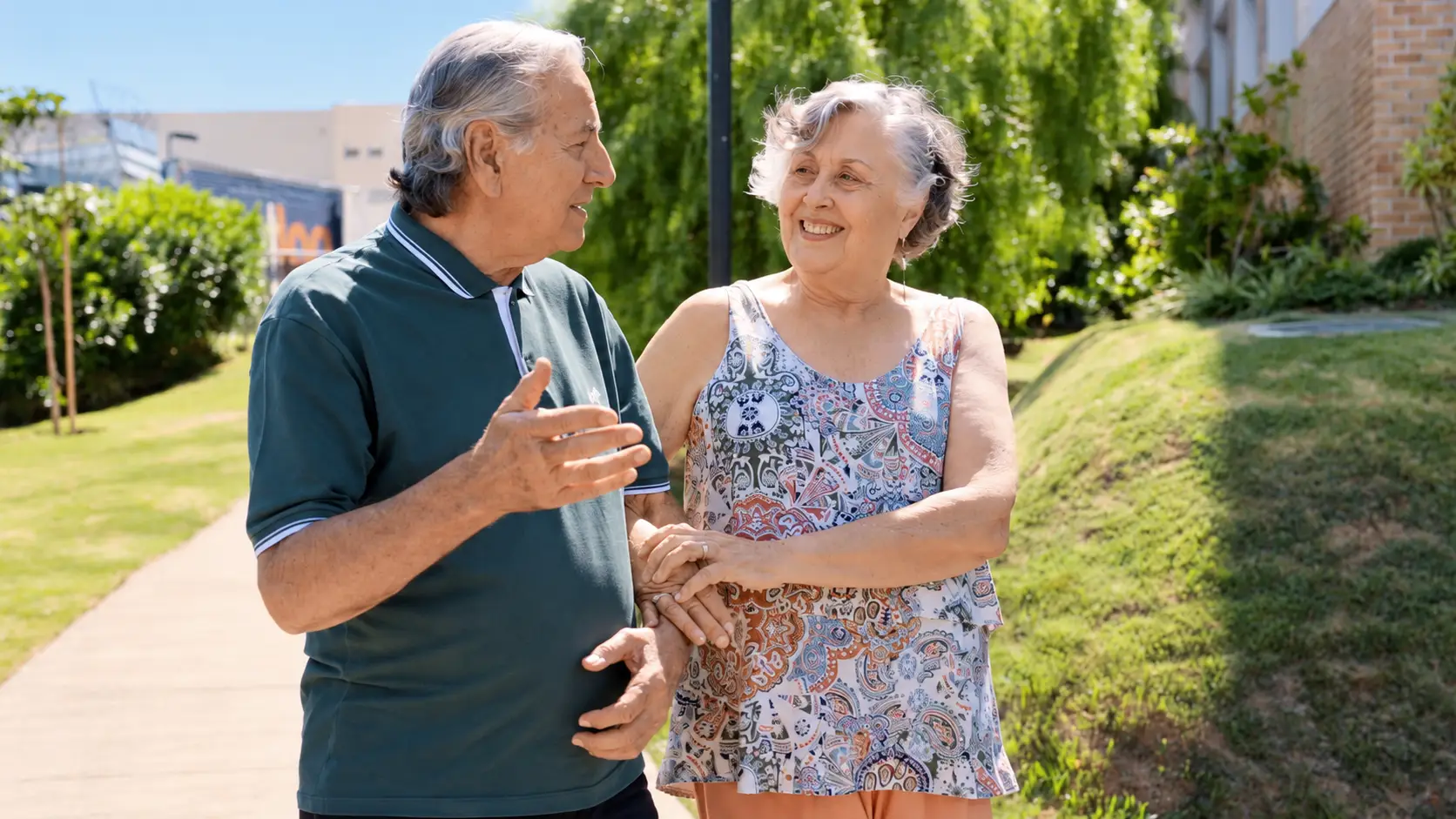
Older couple smiling and talking on a path beside a landscaped garden, from a commercial for Teixeira Duarte
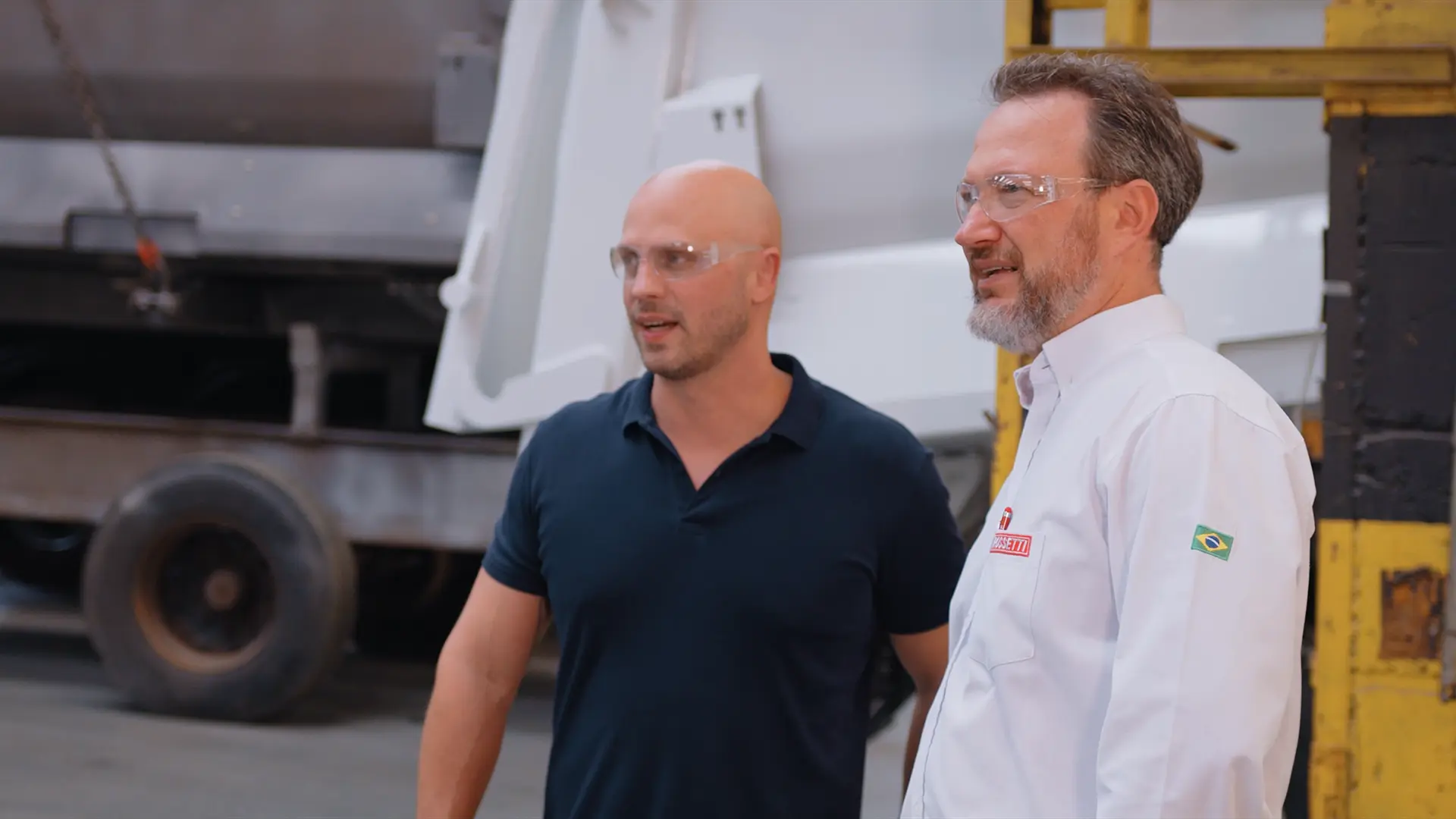
Two men in safety glasses standing beside a large truck body in a factory, from a corporate film for Rossetti
Man in the driver's seat of a car with his hands on the steering wheel, from a commercial for Peugeot
Hands holding two Uber Eats paper bags with order receipts attached, from an internal communication video for Uber Eats