Pearson: Animated Lessons at Scale
More than 900 animated lessons for Imaginarium, more than 100 videos for Wonder and 90 for Set for Life: how Olive Tree Films keeps a collection consistent from the first lesson to the last, across years of work for Pearson’s brands.
The context: a learning company with many audiences
Pearson develops learning products that connect content, teaching and technology, and it serves customers in nearly 200 countries with around 20,000 employees, according to the Imaginarium series page. For a company at that scale, video is not a standalone product. It has to work inside a wider learning experience, next to books, digital platforms, assessments and teachers.
Imaginarium shows what that means. Pearson describes it as a K-9 English program that combines literacy, learning and life skills, from reading and writing in print and digital formats to communication, collaboration, creativity, critical thinking and citizenship. It can be used fully digitally or in hybrid classrooms, on computers, tablets and phones, and its Interactive Student Book embeds audio and video to support each theme. The secondary edition covers three levels, from GSE 59 to 84.
Our work for Pearson’s brands began years ago and spans Brazilian and global projects. In Brazil, it includes around 200 filmed English-learning videos for Wizard by Pearson, told in the Wizard case. This page focuses on the global animation work, and above all on Imaginarium, where we have produced more than 900 lesson videos.

The challenge: hundreds of lessons, one standard
Producing one good animated lesson is a craft problem. Producing hundreds is an operations problem. In a long collection, characters, environments, illustration style, animation choices and audio treatment have to stay coherent from the first lesson to the last, and a visual inconsistency that goes unnoticed early can spread across many videos.
The global projects added their own pressure: production cycles of roughly six to twelve months, several stages of validation on the client side, voice-over and other audio supplied by Pearson to be integrated, and tight schedules that made early review decisive. Every stage depended on another: an illustration correction could affect animation, and a delayed approval could reshape the next production window. Pearson needed a partner able to build enough structure for volume while keeping the flexibility to answer each project’s needs, without losing the care each individual lesson requires.
Hundreds of lessons, one style
Six to twelve months per cycle
Several stages of approval
Voice-over supplied by Pearson
The case at a glance
A partnership measured in hundreds of lessons
Pearson writes the scripts. We turn them into finished audiovisual content: casting, illustration, animation, filming, voice integration, editing and delivery. These are the volumes our team has recorded across the partnership. Each project is counted on its own, never added into a single total.
900+
Largest collection
Global projects, each with its own visual system.
~200
Live action
Brazilian projects for different ages and levels.
6–12
Production cycles
Long collections need long-range planning.
Source: Olive Tree Films project records. Volumes are internally reported and keep their original qualifiers.
A selection from the more than 900 lesson videos we produced for Imaginarium, in 2D animation and motion graphics with human voice-over. Each lesson follows the series’ visual system, so a student moving from one unit to the next stays in the same world. Because the lessons sit next to reading, writing and life-skills activities, the animation has to support each theme rather than compete with it.
The trailer is public. The full lessons are available on request.
The insight: the collection is the product
At this volume, the real deliverable is not a video. It is a collection. Our approach started from that idea: define the visual system early, so characters, environments, typography, motion and sound behave the same way in lesson 9 and in lesson 900, and treat every new lesson as part of that system instead of a fresh creative exercise.
The second part of the insight was about timing. In long animation projects, the cheapest moment to fix something is before it is copied into dozens of other files. So we worked in stages, with intermediate client validation and quality control at each step, giving both teams the chance to catch issues before they affected larger portions of the work.
The third part was about the conversation with the client. In projects with several validation stages, the work keeps moving only when everyone can see which decisions are ready, which assets need adjustment and how one stage affects the next. Managing those dependencies, instead of treating casting, illustration, animation and audio as isolated tasks, gave us a practical basis to discuss alternatives with Pearson and to reorganize the work when needed.
What we produce for Pearson
Pearson supplies the scripts. We turn them into finished audiovisual content, and the format changes with the audience. For the global collections, that means 2D animation and motion graphics: illustrating characters and environments, animating them, integrating the voice-over and audio supplied by Pearson, and finishing sound and picture. For a science project, it meant filming real experiments as they unfolded over time.
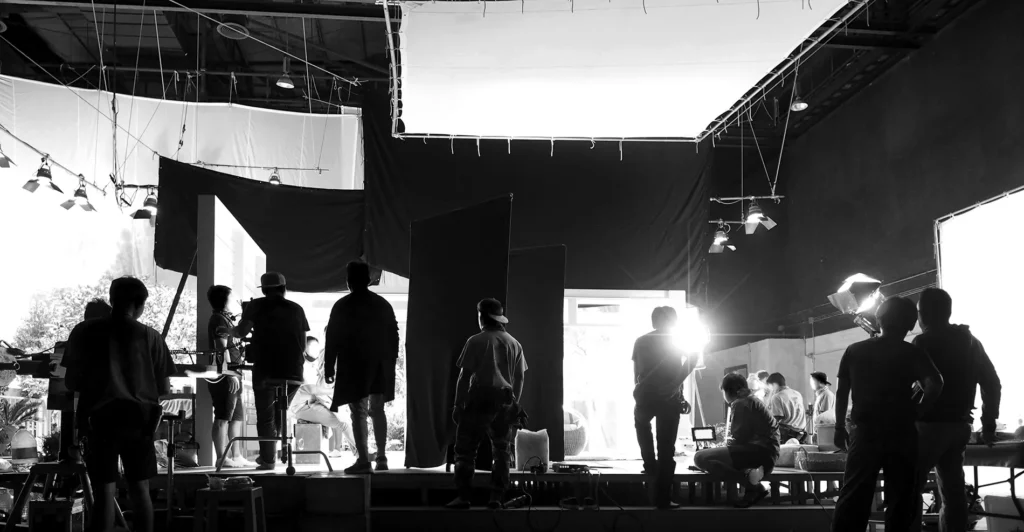
In Brazil, the same partnership covers live action for Wizard, with native or advanced English speakers filmed in studios, homes, hotels and restaurants, and animated series for children and teenagers. Moving between these formats is part of the job, and part of why the relationship has lasted.
Scale changes how those formats are produced. A one-off animation can be solved shot by shot; a collection of hundreds of lessons needs repeatable decisions, clear naming, shared references and a review rhythm both teams can sustain for months. That operational layer is invisible to the student, and it is what lets the creative work stay consistent from one lesson to the next.

2D animated lessons

Motion graphics

Character and environment illustration

Voice-over and audio integration

Filmed science experiments

Live action for Wizard

2D animated lessons

Motion graphics

Character and environment illustration

Voice-over and audio integration

Filmed science experiments

Live action for Wizard
The scope: what the global work includes
The volumes and responsibilities recorded in our production account. Each project is counted on its own, never added into a single total.
01.
Objective and audience
Audiovisual lessons for Imaginarium, a K-9 program, and for other global Pearson projects, designed to work inside each wider program.
02.
Videos
More than 900 lesson videos for Imaginarium, more than 100 videos for Wonder and 90 for Set for Life, plus a filmed science-experiment project.
03.
Formats
2D animation and motion graphics with human voice-over for the global collections; real experiments filmed over time for the science project.
04.
Durations and versions
Lorem ipsum dolor sit amet, consectetur adipiscing elit, sed do eiusmod tempor incididunt ut labore et dolore magna aliqua.
05.
Language and voice
Imaginarium is an English program. For the global projects, voice-over and other audio were supplied by Pearson and integrated by our team.
06.
Timeline
Production cycles of approximately six to twelve months for the global projects, with intermediate reviews along the way.
07.
Quality control
Intermediate client validation and quality control at each stage, so issues were caught before they spread across the collection.
08.
Channels
Lessons produced for Pearson’s learning programs; Imaginarium runs fully digital or hybrid, with embedded audio and video in its Interactive Student Book.
The experience: trust built in the hard moments
Long partnerships are tested when a plan has to change. In one animated production, our team identified illustrations that were not meeting the required visual consistency. We took responsibility: reorganized the workflow, reviewed the production stages, adjusted the schedule and corrected the artwork. The videos were completed with the consistency they needed, without compromising their availability to the franchises that used them. Over the years, that openness built the confidence to discuss risks, suggest alternatives and agree on corrections together, and, as our records show, Pearson has repeatedly praised our team.
Who did what
The process: scripts in, lessons out
Pearson supplied the scripts, the voice-over for the global projects and the approvals. We took each lesson from script breakdown to final delivery.
Pearson writes.
We produce.
Staged reviews
at every step
-
Script breakdown
Each script is broken down into scenes, assets and a production plan.
-
Illustration
Characters and environments drawn to the collection’s visual system.
-
Animation
2D animation, motion graphics and compositing, reviewed at intermediate stages.
-
Audio
Voice-over and other audio supplied by Pearson, integrated with our sound work.
-
Finishing and delivery
Editing, final sound and picture, quality control and coordinated delivery.
Catch it early.
Fix it once.
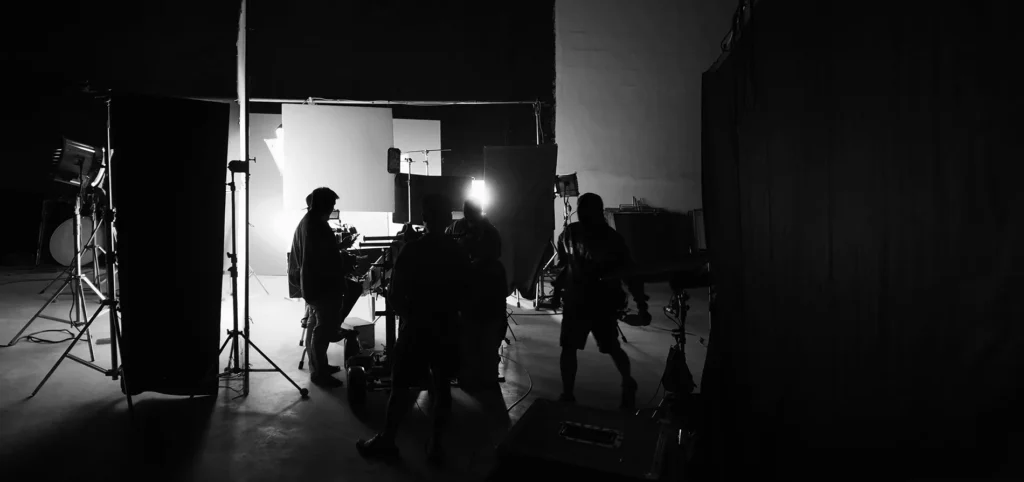
Pearson’s editorial teams own the curriculum, the scripts and the methodology, and we do not claim them. Our part is the audiovisual execution, carried out by a full-service studio in São Paulo with experience in filming and animation, as described on our About page.
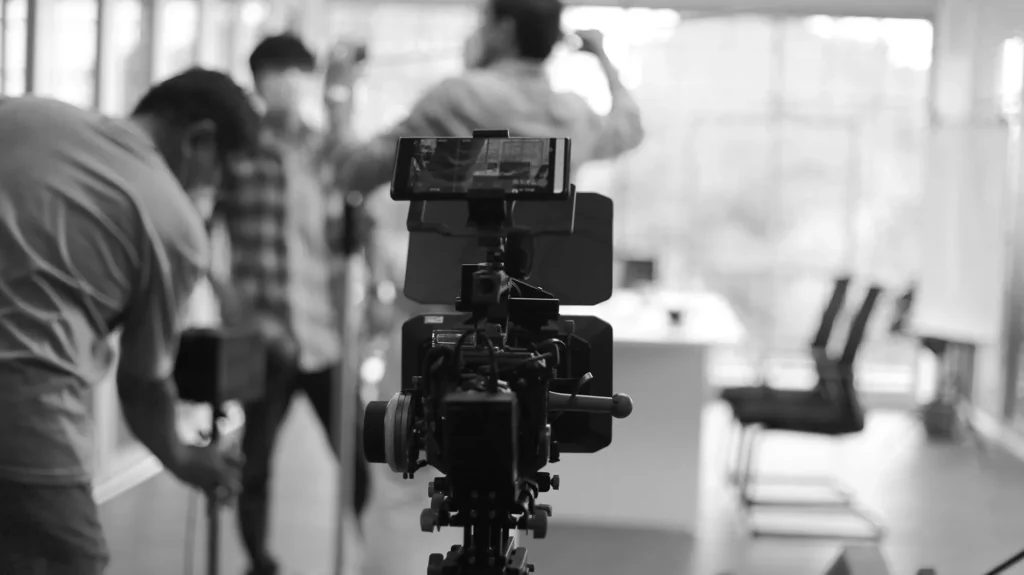
Not every Pearson project is drawn. For a Pearson Global science project, we filmed real experiments over time, capturing physical processes as they unfolded instead of illustrating them. It required a different production rhythm from animation, built around the time each process takes. Pearson publishes science titles such as Phenomenal Science, though we have not confirmed that our project belongs to that series.
The trailer is public. The full videos are available on request.
Beyond the numbers
Completed, praised, continued
The volumes show the scale. These outcomes show what sustained it. Our team’s account records that every project described was completed successfully, with positive feedback on quality, organization and deadlines, including work with large volumes and multiple review stages. We do not claim learning gains, engagement or revenue effects: those would need their own measurement.
What the partnership says about us is simple. Creative execution and production responsibility work best together, and both have to be sustained over time: researching a character, spotting an illustration that needs correction, discussing a solution openly with the client and delivering the next lesson to the same standard as the first.
Delivery
Every project completed
All projects described in our account reached delivery, including collections with hundreds of lessons.
Feedback
Recurring praise
Pearson has repeatedly praised our team for quality, organization and deadlines, as our records show.
Continuity
A partnership of years
The relationship continues across Brazilian and global projects, in live action and in animation.
Related work and formats
Where this case connects to the rest of what we do.
Questions about this case
Short answers for learning teams planning animated lessons at scale.
How many videos has Olive Tree Films produced for Pearson?
For Imaginarium alone, more than 900 animated lesson videos. Our records also show more than 100 videos for Wonder, 90 for Set for Life and around 200 filmed videos for the Wizard W-series in Brazil. Each project is counted on its own, and we do not add them into a single audited total.
What does elearning animation for Pearson involve?
Turning Pearson’s scripts into finished 2D animated lessons: breaking down each script, illustrating characters and environments, animating with motion graphics and compositing, integrating the voice-over and audio supplied by Pearson, and finishing sound and picture, with intermediate reviews along the way.
How do you keep hundreds of animated lessons consistent?
By treating the collection as the product. The visual system for characters, environments, typography, motion and sound is defined early, and staged workflows with intermediate client validation and quality control catch issues before they spread across other lessons.
How long does a global animation project take?
Approximately six to twelve months per production cycle for the global projects described in our account, with several stages of validation on the client side. Long collections need long-range planning, and the schedule is built around those reviews.
How does Olive Tree Films handle client reviews in long projects?
With staged workflows. Each production moves through intermediate validation points, so Pearson’s teams review the work where a decision changes the most, and our team keeps track of which decisions are ready, which assets need adjustment and how each stage affects the next.
Does Olive Tree Films record the voice-over for the Pearson lessons?
For the global projects described here, voice-over and other audio were supplied by Pearson, and our team integrated them with sound work in post-production. Human voice-over is part of the Imaginarium format, but we do not claim to have cast or recorded those voices.
Which formats has Olive Tree Films produced for Pearson’s brands?
Live action, 2D animation, motion graphics, compositing and filmed experiments: animated lesson collections for global projects, filmed English-learning videos and animated series for Wizard in Brazil, presenter-led videos with motion graphics, presentation videos for Wizard franchises and a science project filmed over time.
Who writes the scripts for the Pearson lessons?
Pearson does. Its editorial teams own the curriculum, the scripts and the educational methodology. Our responsibility is the audiovisual execution, from script breakdown and production planning to final delivery.
Did the videos improve learning results?
We cannot say, and we do not claim it. No study of learning gains, completion rates or engagement was part of our work. What our records show is delivery: large collections completed successfully, with positive feedback on quality, organization and deadlines.
Start a conversation
Planning a collection, not a video?
Let’s build the system.