Explainer Video Production for Complex Solutions

When your product, service or process is hard to explain, the right explainer makes it easy to understand, easy to share and hard to forget.

For B2B and technical teams

If your best salesperson needs twenty minutes to explain what you do, a two-minute film can do it before the first meeting.

Animation, live action or both.

Man in glasses speaking from behind a large monitor in an open-plan office, from a commercial for Tuvis

Why B2B explanations are so hard to get right

The people who know the product best are often the worst placed to explain it. They know every feature, every exception and every acronym, and they want all of it in the film. The audience wants the opposite: the problem, the idea and the next step, in words they already use.

Complex sales add another layer. A B2B explainer video has to work for the technical evaluator, the budget owner and the end user at the same time, often watched alone, on a phone, between meetings. It has to be precise enough for the expert and clear enough for everyone else, without becoming a feature list with music.

And some of the most important parts cannot be filmed at all: data moving between systems, a risk being prevented, a process happening inside a machine. That is where animation, motion graphics and well-chosen live action earn their place.

There is also the question of what happens after the first view. An explainer that convinces a prospect has to be followed by material for the next steps: a deeper walkthrough for the technical evaluator, a short version for the executive who signs, an onboarding sequence for the new user. Planning these pieces together means the same visual language, the same terms and the same characters carry through the whole journey, so nobody has to learn the product twice. It also means each video stays short, because it does not have to explain everything at once.


Man shaking hands with someone across a desktop computer at an office desk, from a commercial for Tuvis
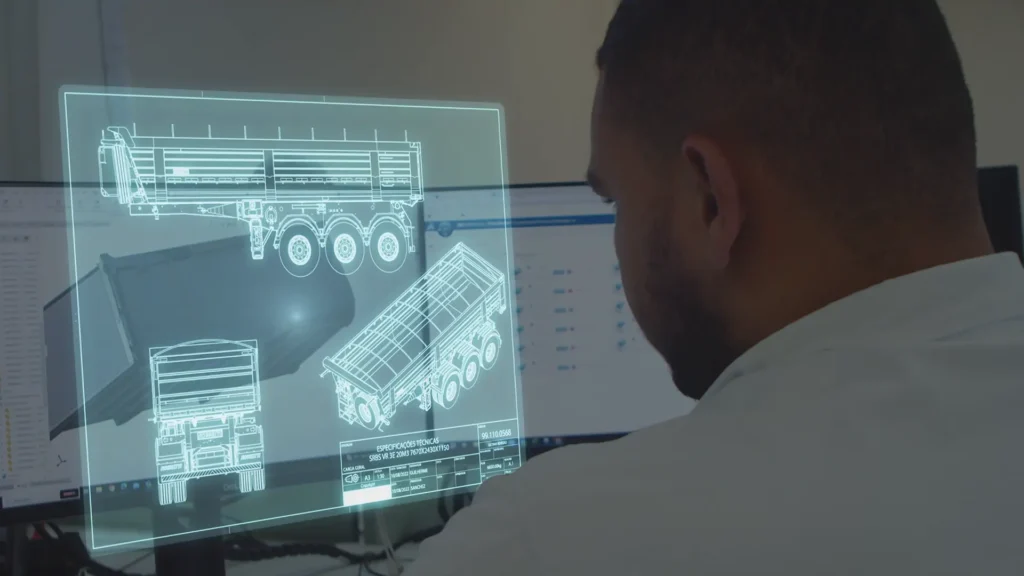
Designer at a computer with overlaid technical drawings of trucks and trailers, from a corporate film for Rossetti
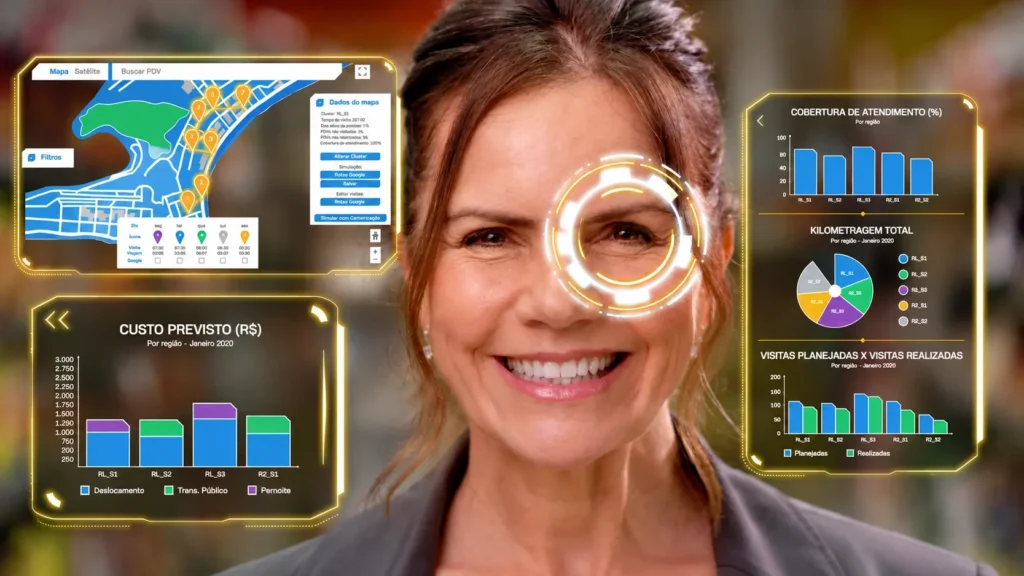
Smiling woman surrounded by digital maps and charts, from a corporate commercial for Resight
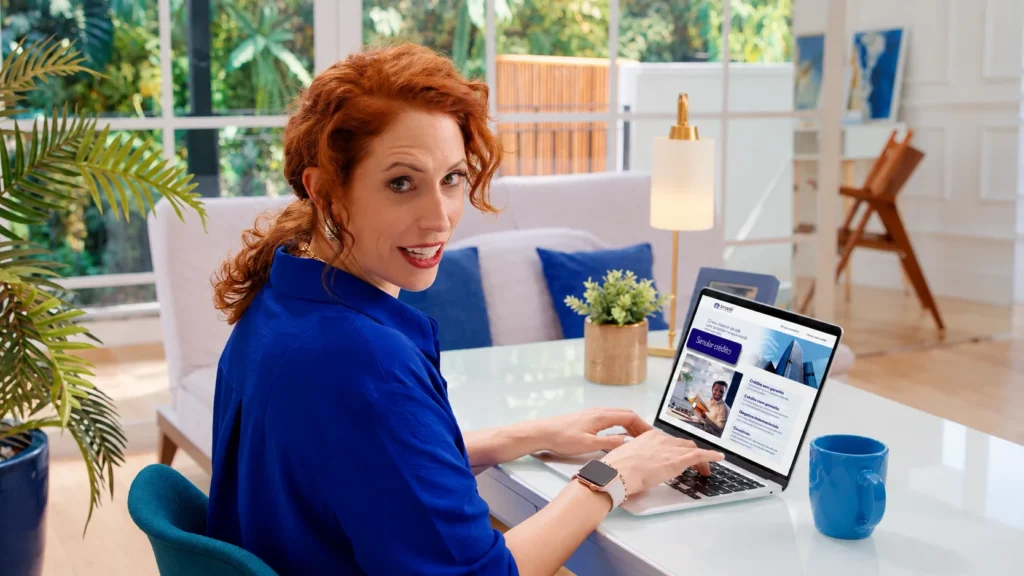
Red-haired woman using a laptop at a bright home desk, from an open banking commercial for Avanti
Way-262:
Explainer series

When Way-262 introduced barrier-free tolling on the BR-262, drivers had to understand a system they could no longer see. Working with Gaudí Creative Thinking, we wrote and produced five animated explainers, one question each, from how the system works to paying without an active tag, in horizontal and vertical versions. Read the Way-262 case.

The trailer is public. The full videos are available on request.

What usually goes wrong with explainer videos

Explainers fail in predictable ways. Each of these is decided in the script, long before animation or filming starts.

01.

Too many messages

A film that tries to explain everything explains nothing. We define the one idea the viewer must leave with and build the script around it.

02.

Features before the problem

Viewers care about their problem before your solution. We open with the situation they recognize, then show how the product changes it.

03.

Jargon from the inside

Internal vocabulary sounds precise to the team and opaque to everyone else. We test the script against the words your buyers actually use.

04.

Visuals that decorate

Animation that looks good but does not explain is expensive wallpaper. Every scene we design has to show something the narration cannot.

05.

One long film for every question

A five-minute explainer rarely gets watched to the end. A series of short videos, one question each, lets people find the answer they need.

Built for the buying group

B2B decisions are rarely made by one person. Technical evaluators, budget owners and end users each need a different level of detail, and most of them will meet your solution for the first time on a screen, without a salesperson in the room. An explainer that works for that group gives each person a clear first answer and a reason to ask the next question.

That is why we plan explainers as a system rather than a single film: a short overview that opens doors, deeper pieces for evaluators, practical videos for users after the purchase and versions for every channel where those conversations happen. For technology companies, it is part of how we approach b2b video production.

Versions for each market follow the same script and the same visual system, so the explanation stays identical while the language, the voice and the examples change.

Clutch Champion award, Fall 2023
Clutch Global award, Fall 2023

How we produce explainers

From expert knowledge to a clear film

Five stages that turn what your specialists know into something your buyers understand on the first watch.

One idea
per film

Animation, live action
or both

  1. Discovery

    Interviews with your experts and a look at how buyers describe the problem.

  2. Script

    One idea, the buyer’s vocabulary and a structure that answers questions in order.

  3. Visual approach

    Animation, motion graphics, live action or a mix, chosen for what must be shown.

  4. Production

    Illustration and animation, filming or both, reviewed at defined points.

  5. Versions and delivery

    Voice-over, subtitles, languages, ratios and cut-downs for every channel.


Hard to explain? Let’s make it simple.

Send us your current deck, demo or technical documentation. We will come back with the idea we would build the explainer around, the format we recommend and a production proposal with a budget per video.

Formats that explain

Pick the format for the job

The right format depends on what has to be shown. These are the ones we use most for complex solutions.

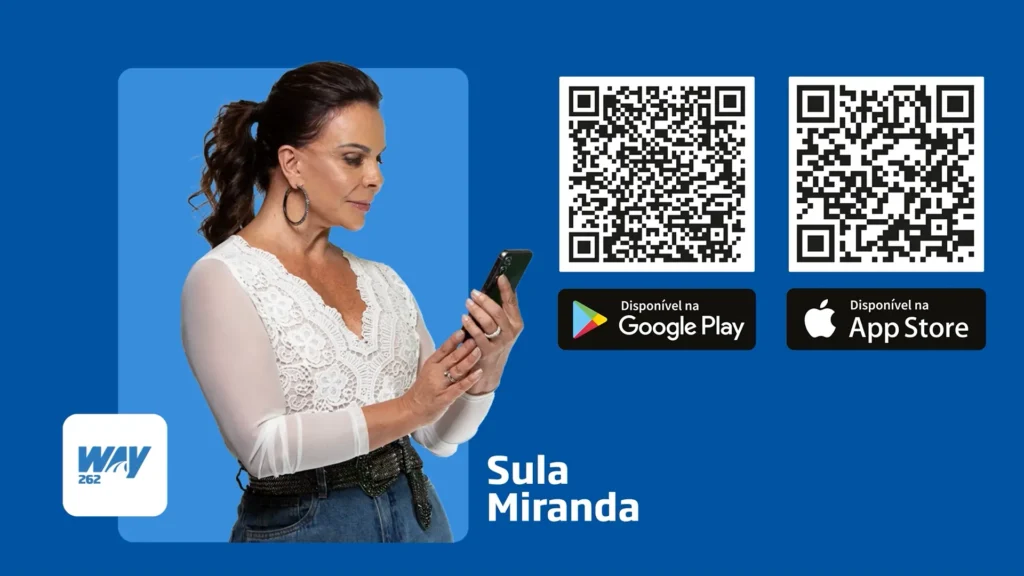
Way-262 graphic of Sula Miranda using a phone beside app download QR codes, from an explainer video for Way-262

Learning

Educational videos

Lessons and explainers built to teach, in animation or live action. See educational video production.

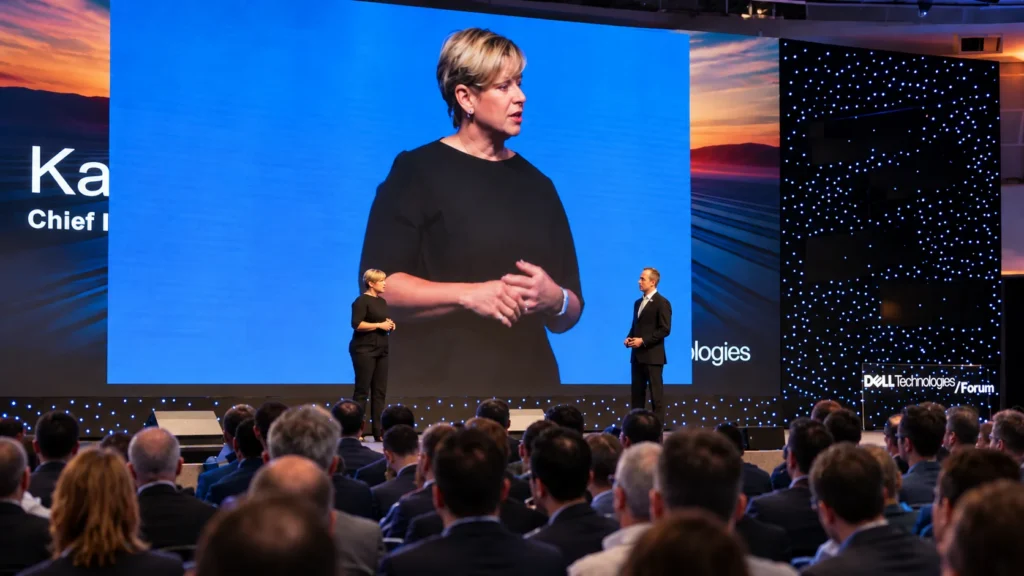
Conference audience watching a speaker on a large screen, from a corporate event video for Dell

Launches

Product films

Explainers that introduce something new, in time for the launch. See product launch videos.

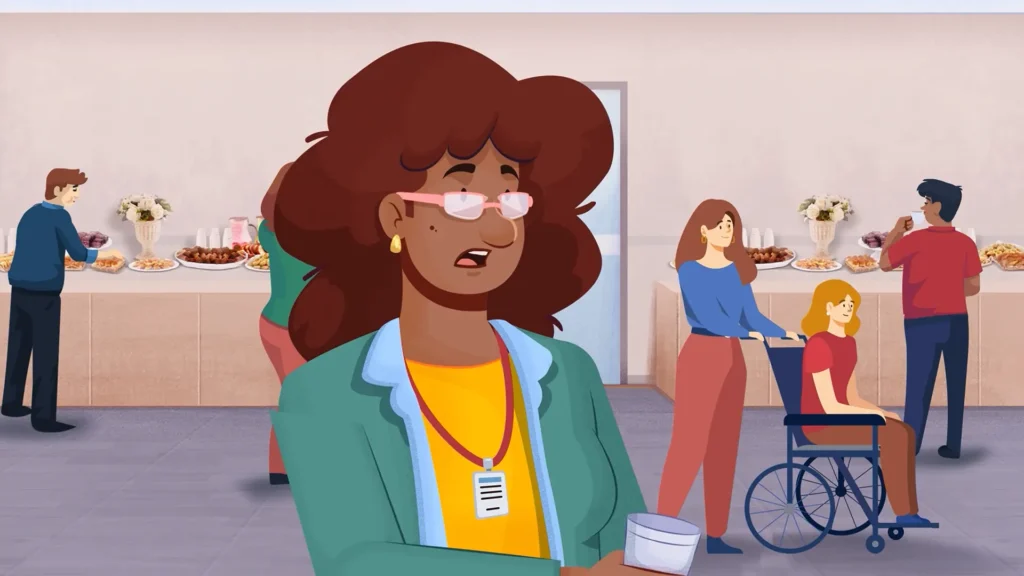
Animated woman with an ID badge at a conference reception, from an animated training video for UN Global Compact

Adoption

Training videos

How-to videos that help users and teams adopt the solution. See corporate training videos.

Explaining complex work for complex companies

“The team did a high-quality job with an excellent management. Congratulations!”

Ivanete Paes Landim
Google review

Related formats and cases

Where explanation connects to the rest of what we do.

Questions about explainer videos

Short answers for teams that need to explain a complex product, service or process.

What is explainer video production?

The planning and production of short videos that make a product, service or process easy to understand. It covers the script, the visual approach, animation or filming, voice-over and the versions each channel needs. For complex solutions, most of the work is deciding what to leave out.

Usually 60 to 120 seconds for an overview, and around a minute for each question in a series. The Way-262 explainers ran about 60 to 90 seconds each. If a topic needs more time, split it into several short videos instead of one long film.

Animation when the important parts cannot be filmed, such as data, systems or risks; live action when trust depends on real people and real places; and often both. The choice follows what the viewer needs to see, not a house style.

It depends on length, technique, number of versions and languages. A short animated explainer costs less than a live-action film with several locations, and a series planned as one production costs less per video than films commissioned one by one. We send a budget per video with each proposal.

We do, with your experts. They review for accuracy; we take responsibility for clarity, structure and the words your buyers use. On the Way-262 series, we wrote the scripts from the agency’s brief and the operator’s technical materials.

Yes. We plan localization in the script, keep on-screen text on separate layers and deliver voice-over or subtitles for each market, so the same explainer can work in every country where you sell.

A clear problem at the start, one central idea, visuals that show what cannot be filmed and a call to action that matches where the viewer is in the decision. Effective explainers leave details for later videos instead of fitting everything into one.

Sometimes, but the two audiences usually need different things. Prospects need a reason to care; customers need the steps to use the product. A shared visual system lets one production create both versions without doubling the work.

By building it in modules. Animation assets, voice-over and graphics are organized so a feature, a screen or a price can be updated without remaking the whole film, and your product team reviews each change before release.

Start a conversation

Complex inside.
Clear on screen.

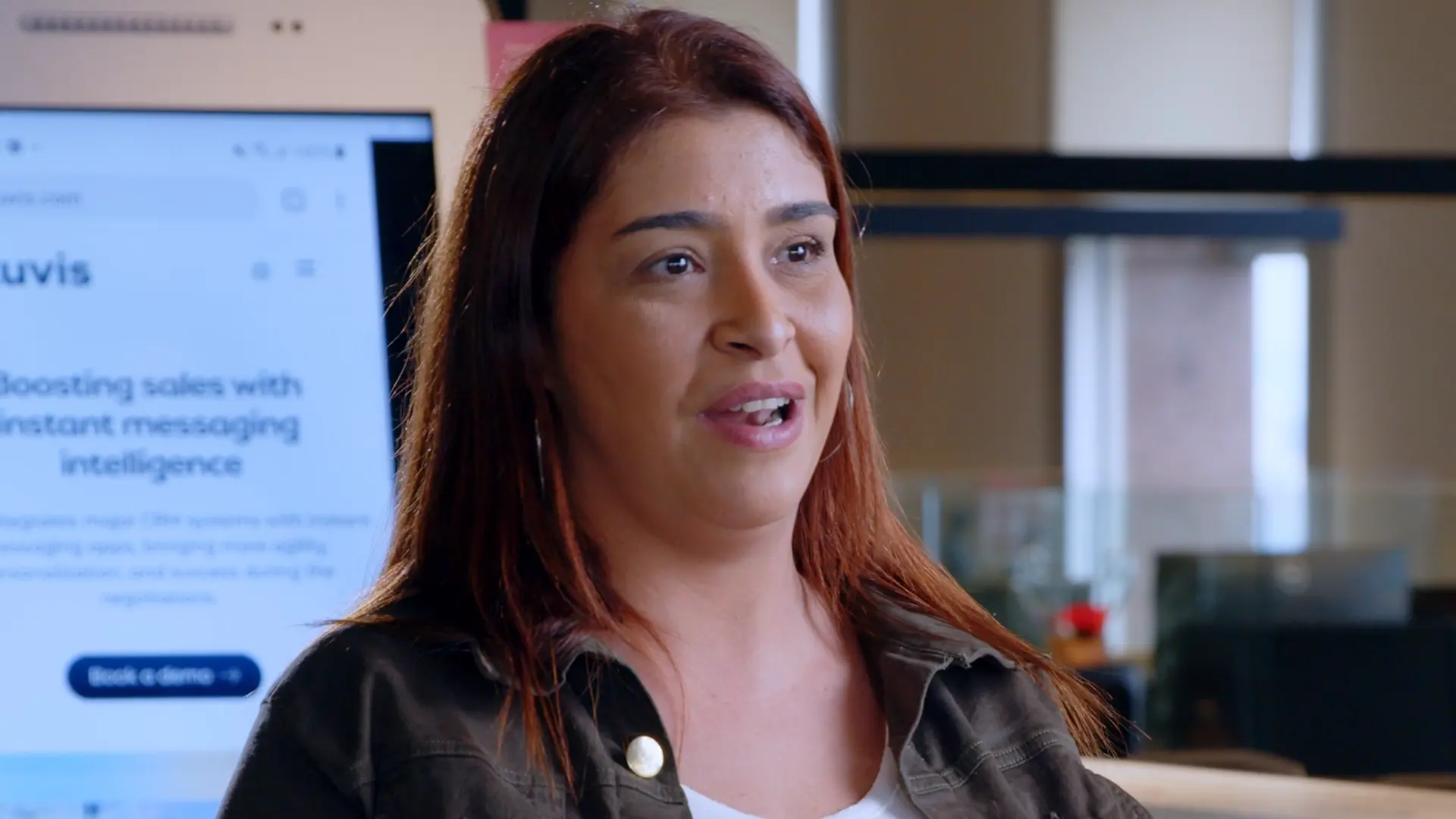
Woman speaking in close-up with a Tuvis promotional display behind her, from a client testimonial video for Tuvis
Man in a navy polo shirt pointing at the camera in a busy restaurant, from a commercial for Certta
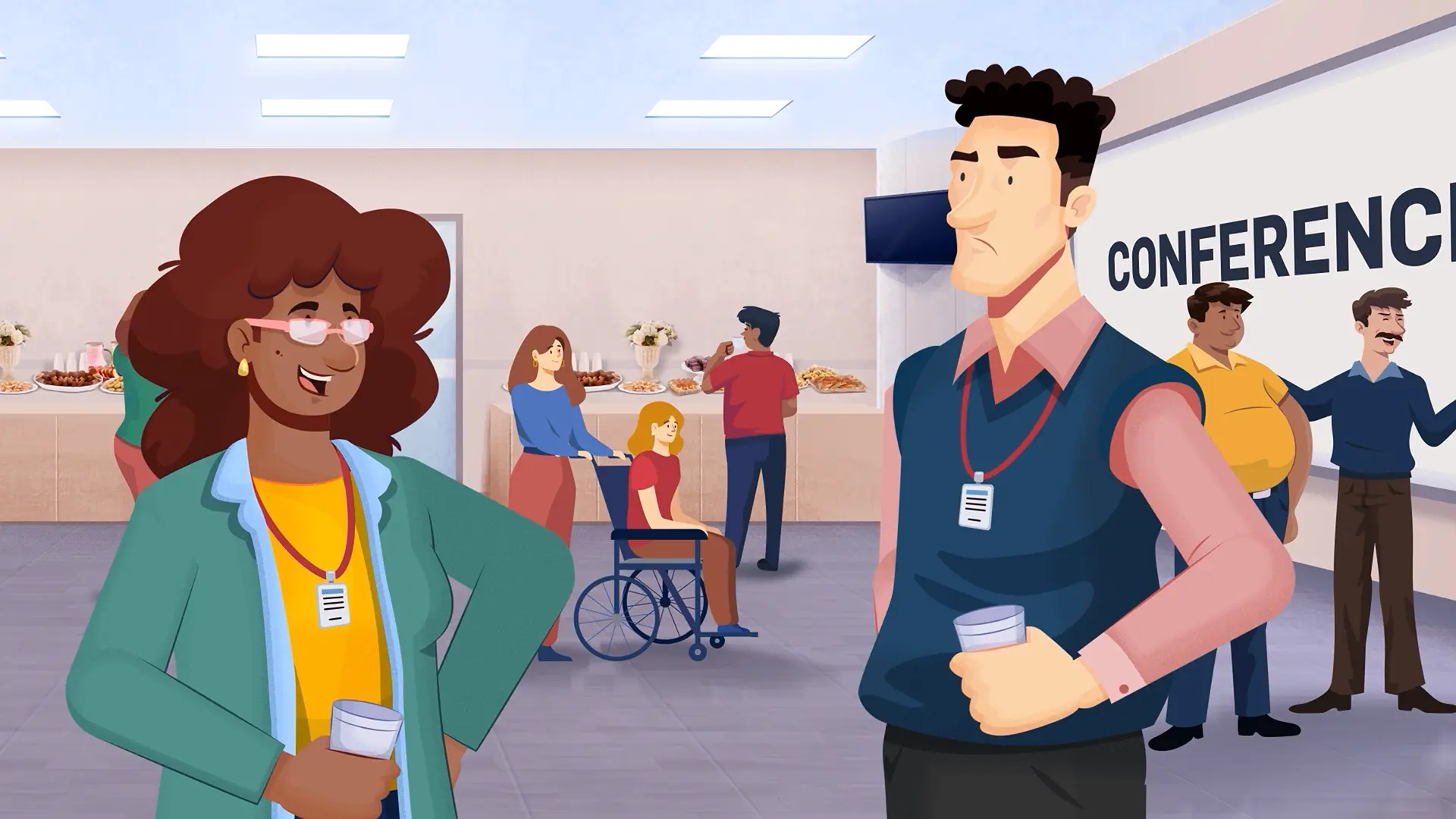
Two animated attendees talking over drinks at a conference, from an animated training video for UN Global Compact
Woman presenting beside plants and wood panels, from a corporate training video for Hedgepoint