Corporate video budgets rarely break because of the camera. They break because of assumptions nobody wrote down: how many shoot days, how many versions, which markets and how long the company can use the footage. Two production companies can read the same brief and send quotes that look nothing alike, and both can be honest.
This guide covers corporate video production cost from the buyer’s side. It gives marketing, communications and HR leaders the benchmarks published in 2026, explains what moves the number up or down and shows how to brief a production partner so the quote reflects the video you need. Market figures come from two marketplaces, Clutch and DesignRush, and from rate guides published by two US production companies, Vidico and Levitate Media. Next to the market figures, we publish our own prices.
Corporate Video Cost at a Glance
The table puts published market ranges next to our own prices for each type of corporate video. All values are in US dollars.
| Video type | Pricing unit | Market range (source) | Olive Tree Films |
|---|---|---|---|
| Corporate video | Per video | $2,000 to $20,000 (DesignRush) | $5,000 to $30,000 |
| Brand film | Per video | $10,000 to $100,000+ (Vidico) | From $10,000 |
| Commercial or campaign film | Per video | $5,000 to $50,000+ (DesignRush) | From $10,000 |
| Brand documentary | Per video | No public benchmark | From $8,000 |
| Testimonial or case study | Per video | $3,000 to $15,000 (Vidico) | From $5,000 |
| Training video | Per module | $5,000 to $16,000 (Levitate Media) | From $5,000 |
| Internal communications | Per video | $4,500 to $15,000 (Levitate Media) | From $5,000 |
| Event coverage | Per video | $6,000 to $25,000 (Levitate Media) | $6,000 to $20,000 |
| Explainer video | Per video | $3,000 to $25,000 (DesignRush) | $5,000 to $10,000 |
| 2D animation | Per finished minute | $5,000 to $20,000 (DesignRush) | $5,000 to $10,000 |
| 3D animation | Per finished minute | $8,000 to $25,000+ (DesignRush) | $8,000 to $30,000 |
Market ranges appear as each source published them in 2026. “From” means the final price follows the scope of each project. The sections below explain what sits behind each number.
Typical Ranges for a Single Video
According to DesignRush, most video production projects land between $1,000 and $50,000 or more, depending on complexity, team size and post-production work. Clutch, which compiles pricing from reviews by verified clients, reports that video production projects on its platform typically cost less than $10,000.
For a single corporate video made by a professional team, an interview-based piece sits in the lower part of that range. A cinematic film with several locations, a larger crew and on-camera talent sits in the upper part.
Typical Ranges for a Video Program
Companies that produce video at scale buy programs: a series, a library of training modules or a year of content. Clutch puts the average video production agency project at $42,280.92, based on reviews from verified clients, with a typical timeline of five months. DesignRush lists retainers between $2,000 and more than $20,000 per month.
Why Quotes for the Same Brief Differ
Look at the gap between the two Clutch figures: a typical project under $10,000 and an average above $42,000. It suggests that a smaller number of large, multi-video engagements pulls the average up.
The same spread happens inside a single brief. One company prices one shoot day with a two-person crew. Another prices three days, a director, a director of photography, an art department and versions for six markets. Before comparing totals, compare assumptions line by line: shoot days, crew roles, locations, deliverables, languages, revision rounds and usage rights.
Cost by Type of Corporate Video
Format sets the baseline. The table above shows the price range for each one. Below is what moves a project within it.
Corporate and Brand Films
Brand films sit at the top of the corporate video range, and above it, when the story calls for several locations, art direction, professional actors or a cinematic camera package. A brand film represents the company for years, which makes it the format where a smaller crew costs the most in perceived quality. See how we approach corporate films.
Commercials and Campaign Films
Campaign films carry costs that other formats avoid: casting, actor fees tied to paid media, larger art departments and cutdowns for each channel. Media usage rights often move the final number more than the shoot itself. More on commercials and campaign films.
Brand Documentaries
None of the sources we reviewed publishes a benchmark for brand documentaries, because scope varies widely. The budget follows the story: how many people are interviewed, how many locations, how many days of observational filming and how much archive material needs to be found and licensed. A series filmed over several months costs more than a single film shot in one week, even at the same running time. See our brand documentaries.
Testimonial and Case Study Videos
DesignRush lists interview videos between $1,000 and $5,000. A full case study video usually adds filming at the client’s site, footage of products or operations and graphics with results, which takes it beyond a single interview setup. Customer approvals take time too, so build them into the schedule. More on client testimonial videos.
Training and Educational Videos
Training is best priced as a library. The first module carries the setup: script structure, visual system, presenter and graphics templates. Each module after that reuses the system and takes less work to produce. Plan the full curriculum before the first shoot day and ask for pricing per module and for the full series. See corporate training videos and educational videos.
Internal Communications Videos
Executive messages, town hall recaps and change programs are usually lighter productions, with a different kind of cost: executive time and speed. A CEO message that must go out in three languages within days needs a team ready to film, edit and translate fast. Budget for that responsiveness. More on internal communications videos.
Event Videos
Event coverage budgets depend on the number of cameras, interviews on site, same-day edits and the deliverables: a highlight film, session recordings and cuts for social media.
Explainer and Animated Videos
Animation is usually priced per finished minute. It removes travel and locations from the budget and adds design and animation hours instead. See how video helps explain complex solutions.
What Drives the Budget
Every quote breaks down into the same stages. Knowing where the money goes lets you decide where to invest and where to save.
Pre-Production
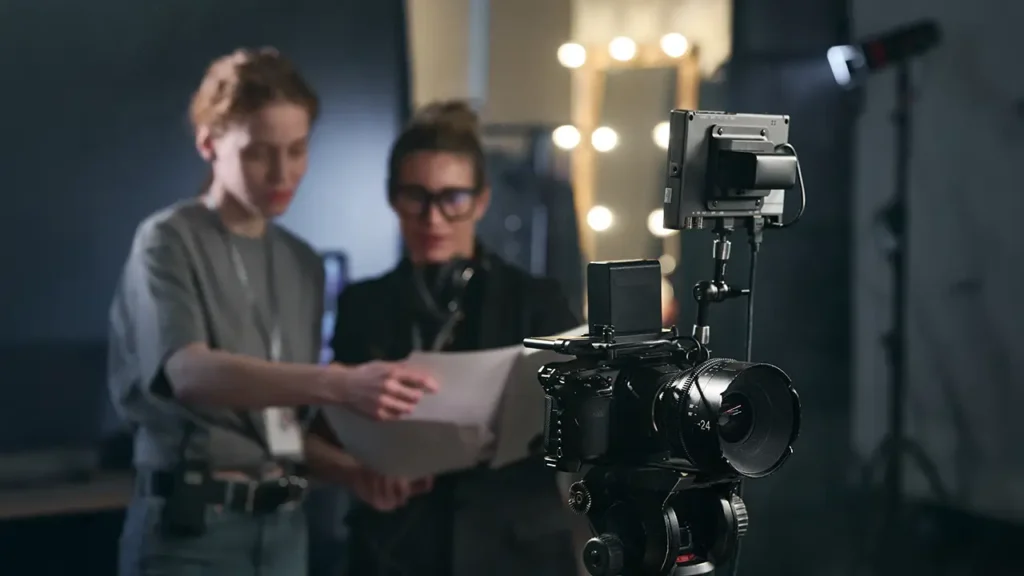
Strategy, creative concept, script, storyboard, casting, location scouting, permits and scheduling. Pre-production is the cheapest place to make decisions and the most expensive place to skip. Each question answered here saves hours on set and rounds in the edit.
Production
The shoot days. Costs scale with the number of days, the size of the crew and the complexity of each setup.
Crew and Equipment
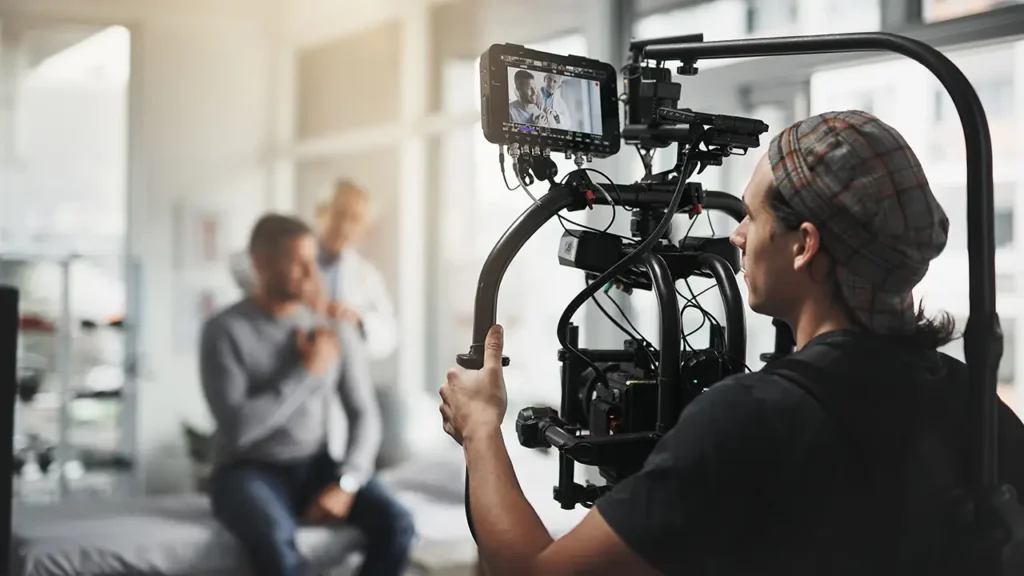
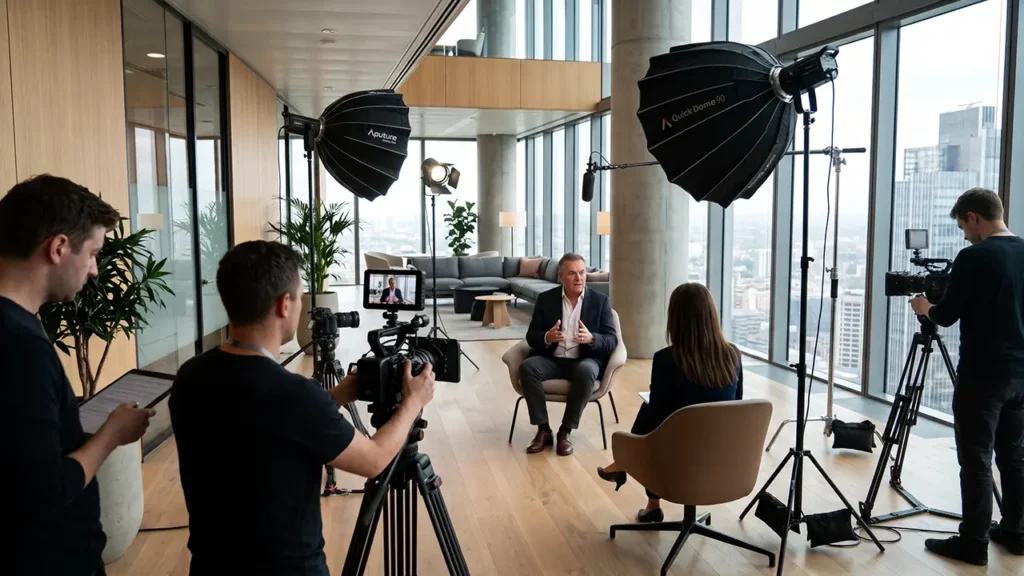
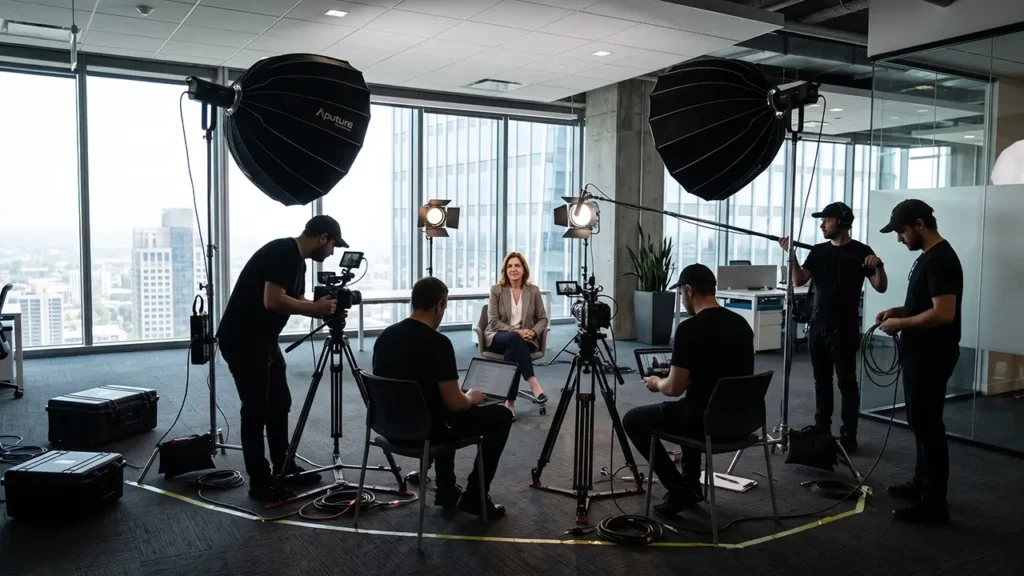
DesignRush reports day rates between $500 and more than $2,500 per crew member or setup. A lean interview shoot may need a director, a camera operator and a sound technician. A brand film may add a director of photography, a lighting team, an art director, hair and makeup and a producer on set. Camera, lighting and sound packages are priced per day and grow with the crew.
On-Camera Talent
Who appears on screen changes both the fee and the schedule.
Professional Actors
Actors add casting, fees and usage terms. The fee depends on where and for how long the video will run, which is why paid media campaigns spend more on talent than internal videos.
Executives and Employees
Your own people add no talent fees, but their time is limited. Preparation, interview coaching and a tight schedule on set protect both the result and the budget.

Locations, Studios and Travel
Studio rental, location fees, permits, transport, accommodation and per diems. A crew that already lives where you film removes most travel costs.
Post-Production
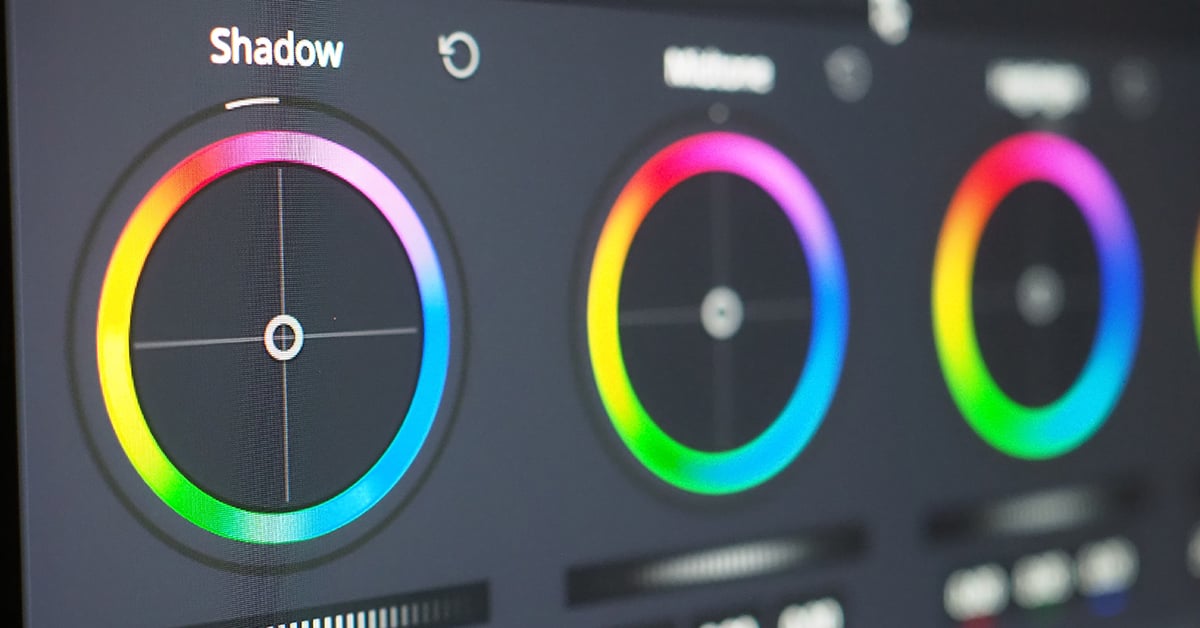
Editing, color grading, sound mixing, motion graphics, subtitles and music. DesignRush reports agency hourly rates from $50 to more than $200. Post-production also absorbs every change requested after the shoot, which makes revision rounds a direct budget item.
Versions and Languages
A two-minute film can become a 30-second cut, a vertical version for social media, a subtitled version and a voice-over version in three languages. Each version takes editing time. Versions planned at the script stage cost less than versions requested after delivery.
Usage Rights
Rights define where, for how long and in which media you can use what you produced.
Talent Rights
Actor agreements usually set three variables, and each one changes the fee.
Duration
How long the video can run: one year, several years or in perpetuity.
Territory
Where it can run: one country, a region or worldwide.
Media Channels
Which channels it can run on: internal use, website, social media, paid digital or TV.
Music and Stock Footage
Licensed music and stock footage follow the same logic. A track licensed for web use may need a new license for broadcast, and a license with an end date needs renewal if the video keeps running.
How Video Production Pricing Works
Production companies use three main pricing models, and many combine them.
Day Rates
Common for crews and freelancers: you pay for each day of shooting or editing. Day rates are clear for short, well-defined jobs and harder to control when scope grows, because every extra day adds cost.
Fixed Project Fees
A single price for defined deliverables, covering pre-production, production and post-production. It gives finance one number to approve and places the responsibility for efficient execution on the production company. It works best when the brief is precise.
Retainers and Annual Programs
A monthly or annual fee for an agreed volume of content. DesignRush lists retainers between $2,000 and more than $20,000 per month. Programs reduce setup costs, keep the visual identity consistent and give the production team time to learn your business.
Freelancers, In-House Team or Production Company
The right model depends on volume, complexity and the number of markets you need to cover.
Freelancers
The lowest day rates and the most flexibility. Your team carries the coordination: hiring each role, managing the schedule, owning quality control and covering gaps. Freelancers fit simple, recurring content.
In-House Video Team
Fast and close to the business, at the cost of salaries, equipment and software all year round, whatever the project volume. In-house teams handle high volumes of simple content well and usually bring in partners for larger productions.
Corporate Video Production Company
A corporate video production company gives you one partner accountable for strategy, crew, production and delivery, with a team sized for each project. The price includes management and creative direction, which is where most of the risk sits in complex or multi-market work.
Producing in Several Markets
Global companies often need the same story told in several countries and languages. The way production is organized changes the budget as much as the creative idea.
One Partner or Several Local Vendors
A different vendor in each country multiplies briefings, contracts, approval rounds and visual styles. One partner coordinating every market keeps the creative consistent and the budget in one place. See how we handle multi-market production.
Local Crews, Central Creative Direction
Flying a full crew to every location is the most expensive way to film abroad. The alternative is local crews working under one creative direction. This is how we work in Miami: trusted local crews film with an Olive Tree Films team member on set, while creative direction, pre-production, project management and post-production stay with our team in São Paulo.
Localization Without Reshooting
Plan languages before the shoot: interviews in each language where possible, on-screen text that can be swapped, graphics built for translation and a voice-over plan. A film designed for localization can be adapted for new markets in the edit, with no second shoot. Our team works in English, Portuguese and Spanish.
Hidden Costs to Plan For
Three costs are easy to miss when a budget is approved.
Extra Revision Rounds
Quotes include a set number of revision rounds, and each additional round adds editing hours. Consolidate feedback from every stakeholder before sending it, and involve final approvers from the start.
Scope Changes After Approval
A new location, an extra interview or a new version after the script is approved changes the production plan. Lock the brief and the script before the shoot and treat later changes as a new estimate.
Rights Renewals
Actor and music licenses can expire. A video that keeps performing after its first year may need renewed talent rights or a new music license. Check the terms before you plan to reuse the footage.
How to Budget for Corporate Video
Budgets built around outcomes are easier to defend and easier to measure.
Start With the Business Objective
Define what the video must change: a sales conversation, a hiring funnel, a training result or how investors see the company. The objective decides the format, the audience decides the tone, and both decide the budget.
Plan a Video Library
One shoot can feed many assets: the main film, cutdowns, interview clips for social media, footage for the website and stills for presentations. Planning the library before the shoot lowers the cost of each asset.
Reserve Budget for Distribution
A film needs an audience to deliver a return. Reserve part of the budget for paid distribution, subtitles, thumbnails and the versions each channel requires.
How to Get an Accurate Quote
Comparable quotes start with a precise brief and a few direct questions.
What to Put in Your Brief
Include these points so every production company prices the same project:
- Objective and audience
- Deliverables: number of videos, durations and formats
- Markets and languages
- Locations and preferred shoot dates
- Timeline and approval process
- A budget range
A budget range lets the production company design the strongest version of the idea within it, rather than guess.
Questions to Ask Before You Sign
Four questions prevent most misunderstandings.
What Does the Price Include?
Ask for a breakdown by stage and confirm what is excluded: travel, talent, music, translations and extra versions.
How Many Revision Rounds?
Confirm the number of rounds at each stage and the cost of any additional round.
Who Owns the Raw Footage?
Terms vary between production companies. Agree in writing whether raw footage is delivered, archived or licensed, and for how long it is stored.
How Long Can We Use the Video?
Ask for usage terms in writing, with talent, music and stock footage listed separately.
What’s Included With Olive Tree Films
Our proposals answer those questions before you ask them.
Quotes and Contracts
Projects start at $5,000. Clients outside Brazil receive proposals in US dollars and contract with Olive Tree Films, LLC, our company in Miami. Clients in Brazil receive proposals in Brazilian reais. Payment terms are set in each proposal.
Two Revision Rounds
Every project includes two rounds of revisions.
Usage Rights
Usage terms depend on who appears on screen.
Lifetime Use Without Actors
Videos without actors can be used for as long as you need them.
One Year With Actors
Videos with professional actors include one year of use.
Royalty-Free Music
Every project includes royalty-free music.
Frequently Asked Questions
How much does a 2-minute corporate video cost?
Running time is a weaker cost driver than shoot days, crew, locations and talent, so a two-minute interview piece and a two-minute brand film can sit at opposite ends of the market. A live-action video of that length follows the corporate video range in the table above. In animation, where price follows running time, two minutes of 2D animation at Olive Tree Films cost between $10,000 and $20,000.
How long does production take?
It depends on scope and on approval speed. Clutch reports a typical timeline of five months for the video production projects reviewed on its platform, a sample that includes multi-video programs. A single video moves through pre-production, one or more shoot days and post-production with review rounds. The fastest lever is a quick, consolidated approval process.
Is animation cheaper than live action?
It depends on the project. Animation removes crew, locations and travel but adds design, illustration and animation hours, usually priced per minute. Animated content is easier to update later, which lowers the cost of keeping it current.
Does filming in Brazil lower the cost?
It can. Crew, equipment and services priced in Brazilian reais often cost less in US dollars, depending on the exchange rate. Foreign productions filming in Brazil also need a local production company to handle permits and paperwork. Olive Tree Films is registered with ANCINE, Brazil’s national film agency, and has supported many foreign productions filming in the country.
Can AI reduce video production costs?
AI tools speed up tasks such as transcription, subtitles, first-pass translations and edit preparation, which can reduce post-production hours. Creative direction, filming real people and brand judgment remain human work. We cover the topic in our article on whether AI can replace a video production company.
Plan Your Next Video With Our Team
The fastest way to a reliable number is a conversation about the objective. Share your brief, markets and timeline with Laura Prado, our Commercial Director, and our team will prepare a proposal with every assumption in writing. Start your project.